What Is FaceTite Procedure? Benefits, Risks, Cost, and Results

If you have started noticing loose skin around your jawline, jowls (lower part of a person's cheeks that sag, hang down, or loosen past the jawline), chin, or neck & wondering about treatment options for the same, you might have come across the procedure of FaceTite Procedure.
FaceTite procedure is a minimally invasive cosmetic procedure that uses radiofrequency (RF) energy to heat tissue beneath the skin. The treatment can tighten some loose skin and improve the appearance of small areas of unwanted fat.
It is commonly misunderstood as “non-surgical facelift.” This name can be a little misleading, though. FaceTite does not use the large incisions of a facelift, but a small probe is inserted under the skin during the procedure. So, FaceTite is better described as minimally invasive skin tightening.
It can be a good option for some people with mild to moderate skin looseness. But it cannot remove large amounts of excess skin or give the same degree of lifting as a surgical facelift.
What Is the FaceTite Procedure?
FaceTite is a cosmetic treatment that uses controlled radiofrequency energy to heat tissues under the skin. The device has a small probe that goes underneath the skin. Another part of the device stays on the surface. RF energy passes between the two parts and heats the treatment area.
This controlled heat can:
Cause some tightening of existing collagen
Encourage new collagen remodeling
Tighten loose tissue
Help improve skin firmness
Affect small amounts of unwanted fat
FaceTite is commonly used on the lower face, jawline, chin, jowls, and neck.
It may also be combined with liposuction when a person has extra fat that needs to be removed.The goal is usually to make the treated area look firmer and more defined, rather than completely changing the shape of your face.
How Does the FaceTite Procedure Work?
Collagen is a protein that helps keep your skin firm and supported. As you age, your body produces less collagen, and the existing collagen changes too. This can contribute to wrinkles and loose skin.
During FaceTite, RF energy creates controlled heat beneath the skin.
The heat can cause some immediate tissue contraction. It can also start a healing response that leads to collagen remodeling over time. This means your results do not appear all at once.
You may notice some tightening soon after the procedure, but further changes can happen during the following weeks and months.FaceTite can also affect fat in the treatment area. If needed, the doctor may combine the procedure with liposuction to remove small amounts of fat.
Is FaceTite Procedure Really Non-Surgical?
No, FaceTite is minimally invasive.
A completely non-invasive treatment does not require an instrument to enter your body. FaceTite does.The doctor makes tiny entry points in the skin and places a thin probe underneath it. The probe delivers the RF energy to the tissue.
The openings are much smaller than the incisions used during a traditional facelift, and recovery is generally shorter. Still, it is a procedure that goes under your skin. Because of this, FaceTite has risks that completely non-invasive treatments may not have, including burns, infection, changes in sensation and nerve injury.
What Areas Can FaceTite Treat?
FaceTite is mainly used for areas where there is mild to moderate loose skin and sometimes small amounts of extra fat.
Jawline
Aging can make the jawline look less sharp. FaceTite may tighten some loose tissue and improve jawline definition.
Jowls
Jowls are the small areas of sagging that can develop along the lower cheeks and jaw. FaceTite may improve mild jowling, but more advanced jowls may require a surgical procedure.
Chin
FaceTite can be used around the chin when there is mild skin laxity or a small amount of unwanted fat.
Double chin
If a double chin is caused by both fat and loose skin, FaceTite may be one treatment option.However, it is not a weight-loss procedure. A large amount of fat may need a different treatment.
Neck
FaceTite is also used for mild to moderate neck laxity. It may help improve the transition between the chin and neck and create a more defined appearance.
Who Is a Good Candidate for FaceTite Procedure ?
FaceTite procedure is usually considered for people with mild to moderate skin laxity. You may be a possible candidate if you:
Have early signs of sagging
Have mild jowls
Have some loose skin around the neck
Have a small amount of fat under the chin
Want more definition around your jawline
Have reasonably good skin elasticity
Want a less invasive option than a facelift
Have realistic expectations about the result
Your age alone does not determine whether FaceTite is suitable.Two people of the same age can have very different skin quality.One person may have firm skin with mild laxity. Another may have a large amount of loose skin.The second person may need surgery to get the result they want.
Who May Not Be a Good Candidate?
Is everyone a suitable candidate for this procedure? No.FaceTite is not suitable for every type of facial aging. You may not get the result you expect if you have a large amount of loose or hanging skin.
For example, someone who has lost a significant amount of weight may have excess skin under the chin and around the neck. FaceTite may tighten some of that tissue, but it cannot remove large amounts of skin.
A surgical neck lift or facelift may be more appropriate in this situation. You may also need another treatment if your main concern is:
Severe sagging
Large amounts of facial fat
Significant loss of facial volume
Deep wrinkles
Strong platysmal bands in the neck
This is why a proper examination is important before deciding on treatment.
FaceTite vs. Facelift
FaceTite and a facelift are sometimes compared because both can improve signs of facial aging. But they work in different ways.
Feature |
FaceTite |
Facelift |
Type of procedure |
Minimally invasive |
Surgical |
Incisions |
Very small entry points |
Larger surgical incisions |
Excess skin removal |
No |
Yes |
Deep tissue repositioning |
Limited |
Yes |
Fat treatment |
Can treat small areas |
Can be combined with fat removal or repositioning |
Recovery |
Usually shorter |
Usually longer |
Degree of change |
Usually more subtle |
Usually more dramatic |
Best suited for |
Mild to moderate laxity |
More advanced sagging |
A facelift can remove excess skin and reposition deeper tissues.FaceTite mainly uses controlled RF energy to tighten tissue.That is why FaceTite should not be expected to produce the same degree of lifting as a facelift.
Does FaceTite Remove Fat?
It can help with small areas of fat, but FaceTite is not a weight-loss treatment. The RF energy can heat and affect fat beneath the skin. In some cases, the doctor may also perform liposuction during the treatment to remove unwanted fat.
This can be useful around areas such as:
Under the chin
Jawline
Upper neck
Lower face
If you have a large amount of fat, your doctor may recommend liposuction or another fat-reduction procedure instead.It is also possible to have loose skin without much fat.In that situation, the treatment plan will be different.
What Happens During a FaceTite Procedure?
The exact process can vary depending on the doctor and the area being treated.
Usually, it involves the following steps.
1. Consultation
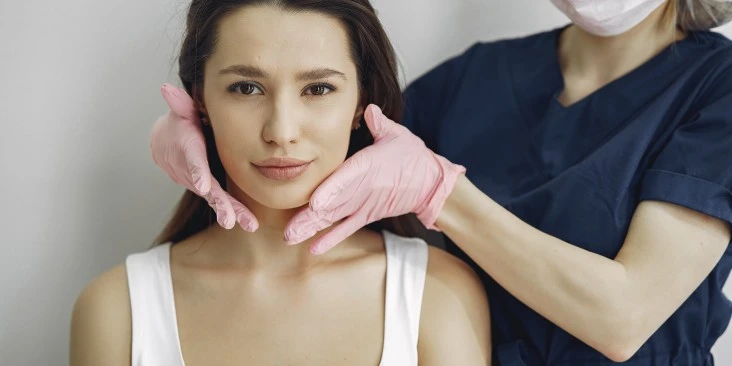
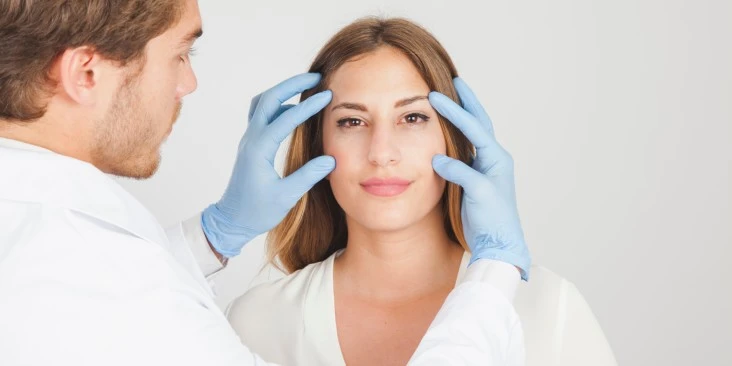
Your doctor examines your face and neck. They look at your skin elasticity, fat distribution, degree of laxity and facial structure.You should also explain what you want to change.
2. Treatment planning
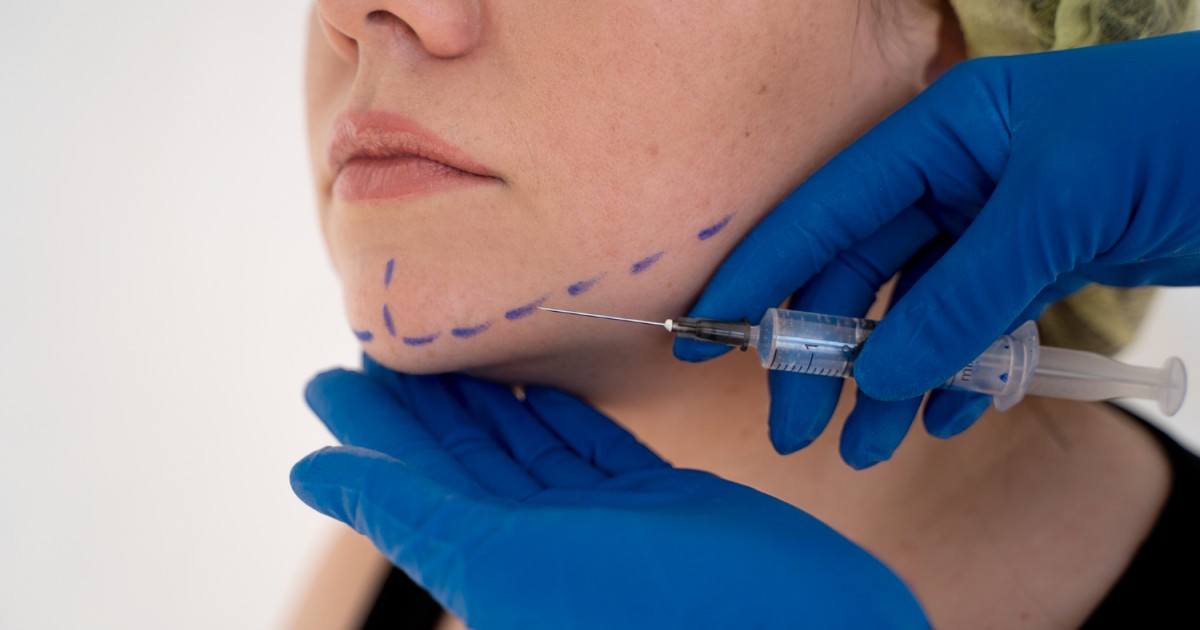
The doctor marks the areas that will be treated.
3. Anesthesia
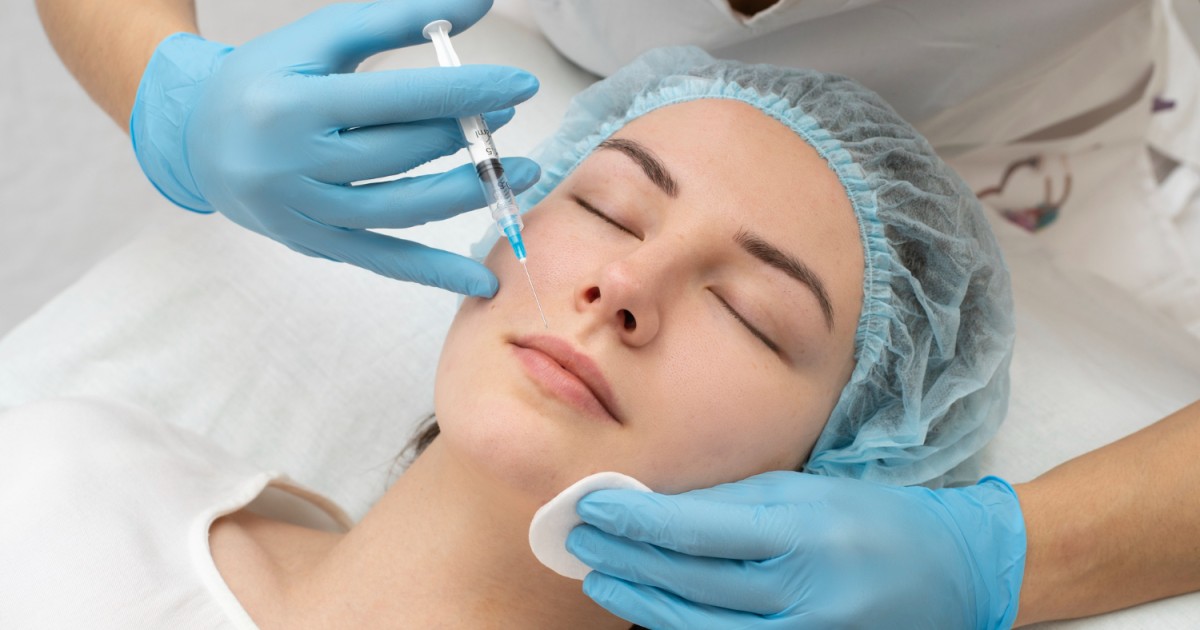
Local or tumescent anesthesia may be used to numb the treatment area.
4. Tiny entry points
Small openings are made in the skin.
5. RF treatment
A thin probe is placed under the skin. The RF energy heats the tissue in a controlled way while the doctor moves the probe through the treatment area.
6. Fat removal, if required
If you have unwanted fat that needs to be removed, liposuction may be performed.
7. Aftercare
Your doctor may recommend compression and specific wound-care instructions. You should follow these instructions carefully during recovery.
Is FaceTite Procedure Painful?
Most people do not experience severe pain during the procedure because the treatment area is numbed. You may feel:
Pressure
Pulling
Warmth
Mild discomfort
Afterward, the treated area can feel sore or tight. You may also experience swelling, bruising or temporary numbness.Your experience will depend on your treatment area, pain tolerance and how much treatment you receive.
How Long Does the FaceTite Procedure Take?
The treatment time depends on how many areas are being treated.A small treatment area may take less time than treatment involving the jawline, chin and neck together.If liposuction or another procedure is added, the appointment can take longer.
Your doctor should tell you the expected procedure time during your consultation.
What Is FaceTite Procedure Recovery Like?
One reason people consider FaceTite is that recovery is generally shorter than recovery from a facelift. However, you should still expect some healing time. You may have:
Swelling
Bruising
Tenderness
Tightness
Numbness
Mild pain
Some people can return to work within several days, but recovery varies. You may look swollen during the first few days. This does not mean the treatment has failed.Your doctor may advise you to:
Wear a compression garment
Sleep with your head raised
Avoid strenuous exercise for a period of time
Keep the treatment area clean
Avoid pressing or rubbing the area
Attend follow-up appointments
Always follow the instructions given by your own doctor.


Consult a aesthetic and reconstructive surgeon
When Will You See FaceTite Procedure Results?
FaceTite results develop gradually. You may notice some tightening early because the treatment can cause immediate tissue contraction.But your final appearance takes longer to assess. A general timeline may look like this:
First few days:
Swelling, bruising and tightness may be present.First few weeks:
The swelling gradually settles.1 to 3 months:
The treated area may look more defined.3 to 6 months:
Further collagen remodelling may improve the result.
Your recovery can be faster or slower than this.Do not judge the final result while your face is still swollen.
How Long Do FaceTite Procedure Results Last?
FaceTite does not stop the aging process. Your skin continues to age after treatment.The result may remain noticeable for several years, but there is no exact time period that applies to everyone. Your results can be affected by:
Age
Genetics
Sun exposure
Smoking
Weight changes
Skin quality
Lifestyle
A useful way to think about FaceTite is that it can improve the appearance of your skin now, but it cannot prevent future aging.
What Are the Side Effects of FaceTite Procedure?
Some side effects are temporary and expected. These may include:
Swelling
Bruising
Tenderness
Tightness
Numbness
Mild discomfort
More serious complications can occur, although they are less common. These may include:
Burns
Infection
Fluid collection
Uneven contours
Prolonged numbness
Changes in skin sensation
Nerve injury
Because FaceTite uses heat beneath the skin, burns are a particular risk that should be discussed before treatment.The experience and technique of the person performing the procedure also matter.
Can FaceTite Cause Nerve Damage?
There is a risk of nerve injury with procedures performed around the face and neck. This is because important nerves run through these areas. Temporary nerve weakness has been reported after radiofrequency-assisted facial and neck procedures.
Most importantly, you should understand that minimally invasive does not mean risk-free.
Ask your doctor how often they perform FaceTite and whether they have treated complications before. A qualified and experienced practitioner should be able to explain these risks clearly.
Can FaceTite Cause Burns?
Yes. FaceTite uses controlled heat to affect the tissues under your skin.If too much heat reaches the skin or surrounding tissue, a burn can occur.Modern systems include temperature monitoring and safety features, but no device removes all risk. Proper technique and knowledge of facial anatomy are very important.
If you notice severe pain, blistering, unusual skin discoloration or worsening symptoms after treatment, contact your doctor promptly.
How Much Does a FaceTite Procedure Cost?
The FaceTite procedure cost depends on:
Your location
The clinic
The doctor's experience
The treatment area
Whether liposuction is added
Whether other procedures are performed at the same time
Cost may range from several thousand dollars for FaceTite, but prices vary widely. These figures should not be treated as a standard price in other countries. When comparing prices, ask what is included. The price includes:
Doctor's fee
Facility charges
Anesthesia
Compression garment
Follow-up visits
Medicines
Do not choose a provider based only on the lowest price.
FaceTite vs Other Skin-Tightening Treatments
FaceTite is different from many non-invasive skin-tightening treatments.With FaceTite, the RF probe goes underneath the skin.Other treatments may deliver energy from the surface.
These include different types of:
Radiofrequency treatments
Ultrasound treatments
RF microneedling
Other energy-based treatments
The best option depends on your skin and what you want to correct. Someone with very mild laxity may not need FaceTite. Someone with severe excess skin may need surgery. The treatment should match the problem.
What Can FaceTite Procedure Actually Improve?
FaceTite may help improve:
Mild to moderate loose skin
Early jowls
Mild neck laxity
Jawline definition
Small areas of fat
Mild fullness under the chin
The results are usually more subtle than those of a facelift. That does not mean the treatment is ineffective. It means you should have realistic expectations.
What Can FaceTite Procedure Not Do?
FaceTite has limits. It cannot:
Remove large amounts of excess skin
Replace a facelift in someone with severe sagging
Produce major weight loss
Stop your skin from aging
Guarantee a perfectly defined jawline
Guarantee the same result as someone else's before-and-after photo
Correct every cause of facial aging
This is one of the most important things to know before treatment.A procedure may work very well for one person and still be the wrong choice for another.
Is FaceTite Procedure Worth It?
It can be worth considering if you have mild to moderate skin laxity and want more improvement than you are getting from non-invasive treatments.It may also be useful if you have a small amount of fat around your chin or neck.
But if you have significant loose skin, a facelift or neck lift may give you a much stronger result.
For example:
Mild loose skin + small amount of chin fat:
FaceTite may be an option.
Mild loose skin + little or no fat:
A skin-tightening treatment may be enough.
Large amount of loose skin:
Surgery may be a better choice.
Large amount of fat:
Liposuction or another fat-reduction treatment may be considered.
Significant loss of facial volume:
Your doctor may discuss fillers or fat grafting.
The right treatment depends on what is actually causing the change in your face.
Questions to Ask Your Doctor Before FaceTite Procedure
Before you agree to treatment, ask:
Am I a good candidate for FaceTite?
How much tightening can I realistically expect?
Do I have too much loose skin for this treatment?
Do I need liposuction as well?
What type of anesthesia will I receive?
How many FaceTite procedures have you performed?
What complications have you seen?
How long should my recovery take?
What will happen if I am unhappy with the result?
Would a facelift or another treatment be better for me?
That last question can be very useful.A good consultation should involve an honest discussion about alternatives, not only the procedure you asked about.
FaceTite Procedure Pros and Cons
Pros |
Cons |
Minimally invasive |
Still involves a probe under the skin |
Small entry points |
Swelling and bruising are common |
Can improve mild to moderate laxity |
Does not remove large amounts of excess skin |
Can improve jawline definition |
Results are usually less dramatic than a facelift |
Can treat small areas of fat |
Burns and nerve injury are possible |
Usually shorter recovery than a facelift |
Results vary from person to person |
May be performed under local anesthesia |
Can be expensive |
FaceTite Procedure Reviews: What Do Patients Say?
If you are considering FaceTite, reading patient reviews can give you an idea of what the recovery and results may feel like in real life. However, reviews should be viewed carefully because people's results can be very different. People who were happy with their results often mention:
A sharper-looking jawline
Less fullness under the chin
Tighter-looking neck skin
Relatively short downtime
Less discomfort than they expected
Gradual improvement after treatment
Some reviewers describe being pleased with the change in their jawline and neck. Not everyone is happy with the results. There are also negative reviews. Some patients report:
Little or no visible improvement
Continued or increased sagging
Uneven contours
Lumps or bumps
Prolonged swelling or tenderness
Changes in facial volume
Dissatisfaction with the final appearance
The reviews show one important point: FaceTite procedure results are not guaranteed to be dramatic or identical for everyone.
References
- heodorou SJ, Chia CT, Carraway JH. Radiofrequency-assisted liposuction for neck and lower face adipodermal remodeling and contouring. Plastic and Reconstructive Surgery Global Open. 2016;4(8) · source
Frequently asked questions
Does FaceTite procedure remove a double chin?
It can help with a small amount of fat under the chin and can tighten loose skin in the area. It is not a treatment for general weight loss.
Can FaceTite procedure remove loose skin?
It can tighten loose skin, but it does not remove large amounts of excess skin. Significant loose skin may require surgery.