Dental bonding is often one of the easiest, fastest, and least expensive ways to improve a smile. If you see a tiny chip on your front tooth after biting into hard food or a small gap between your teeth or one tooth is darker than the others, dental bonding can be the solution to your problems.
Few people think that veneers are the only solution to these problems. However, in many cases, dental bonding requires only one visit and changes very little of your natural tooth. But bonding isn't perfect either; it also has few flaws. Before deciding, it's important to know what it can do, what it can't do, and how long it lasts. In this article we will discuss dental bonding in detail, including the procedure, cost, aftercare, and more.
What Is Dental Bonding?
Dental bonding is a treatment where your dentist places a tooth-colored material called composite resin onto your tooth. The resin initially has a soft, putty-like consistency and can be molded according to the desired shape of the teeth. Your dentist shapes it carefully until it matches the natural shape of your tooth. Then a special blue curing light hardens the material in just a few seconds.
Once polished, the bonded tooth blends with your natural teeth so well that many people can't tell where the filling begins or ends.
Why Is Dental Bonding Done?
Dental bonding can fix many small dental problems in a single visit. Your dentist may recommend you do dental bonding if you have:
Chipped teeth: teeth that have small broken edges
Small cracks on tooth surface
Gaps in between teeth
Teeth that look too short compared to the surrounding teeth
Slightly uneven teeth
Mild discoloration that whitening (professional whitening) cannot fix
Worn or rough edges
Exposed tooth roots from gum recession
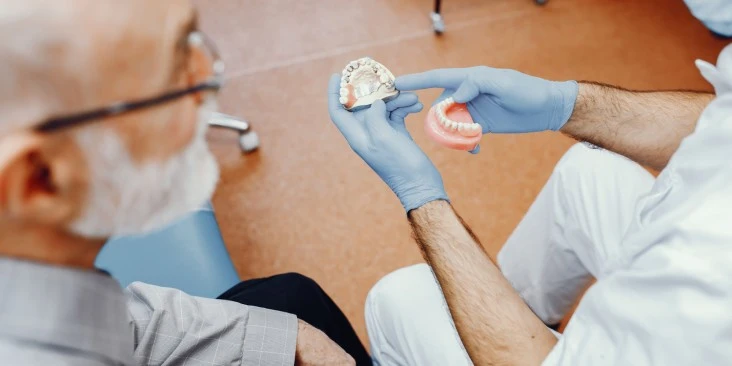
It works best when the tooth is mostly healthy. If a tooth is badly broken or has a giant cavity, another treatment like veneers or crowns may be better. Your dentist will guide you to the best treatment for you.
How Is Dental Bonding Done?
The appointment is usually simple. Here is what happens when you visit your dentist:
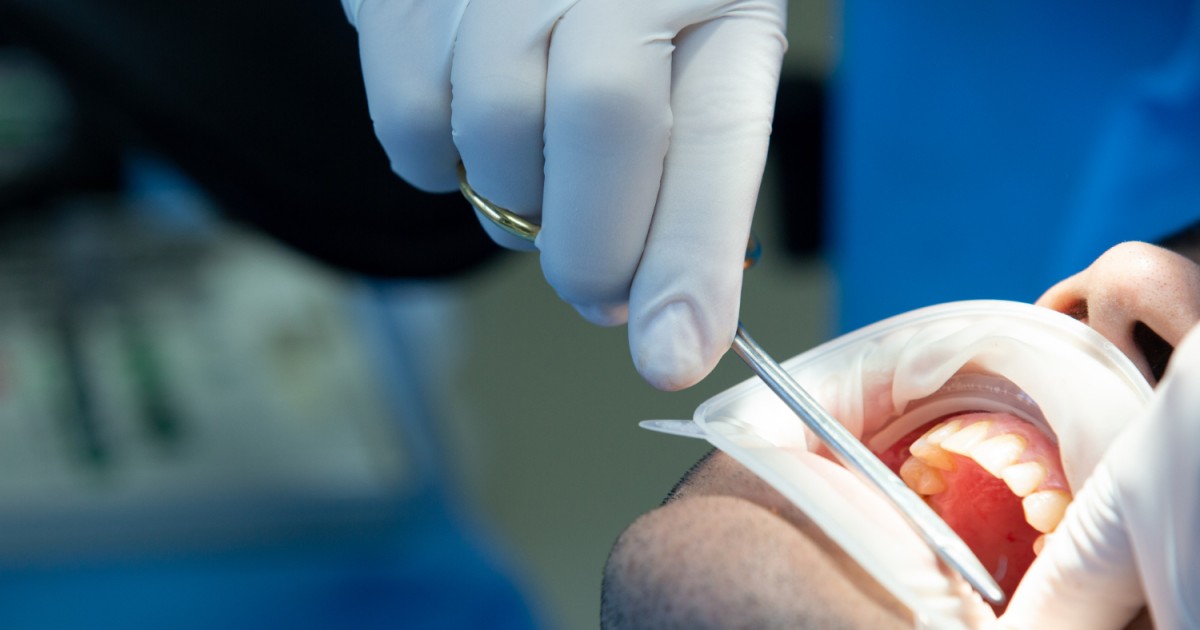
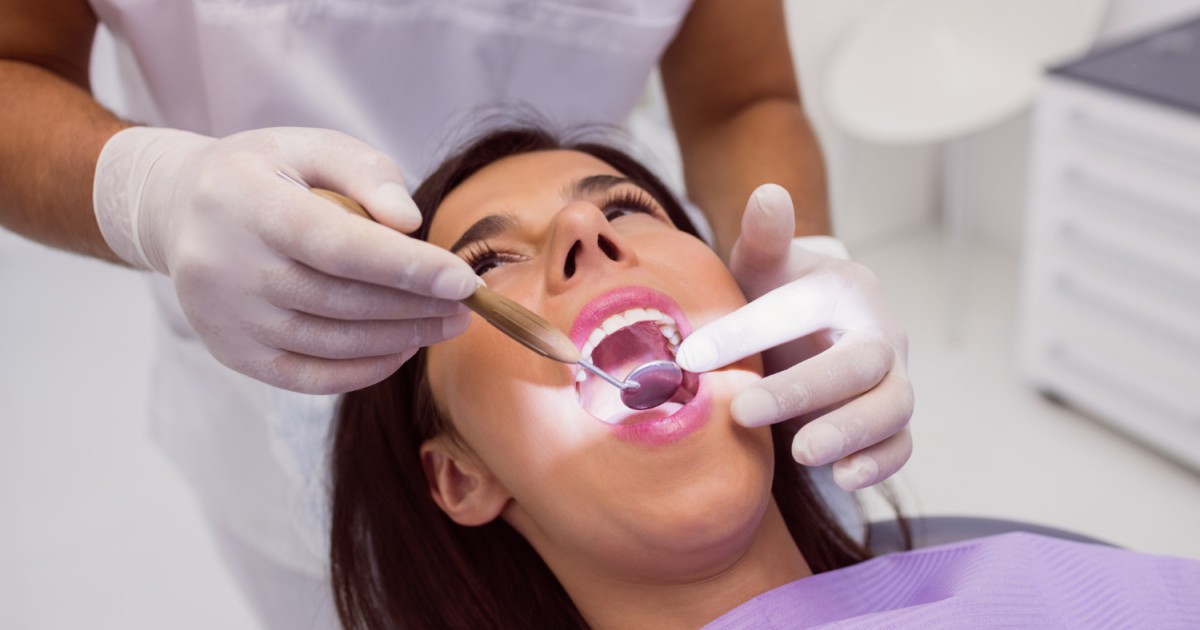
First, the dentist checks your teeth. They will look for any signs of infection in the tooth or gums. Will take x-rays if required.
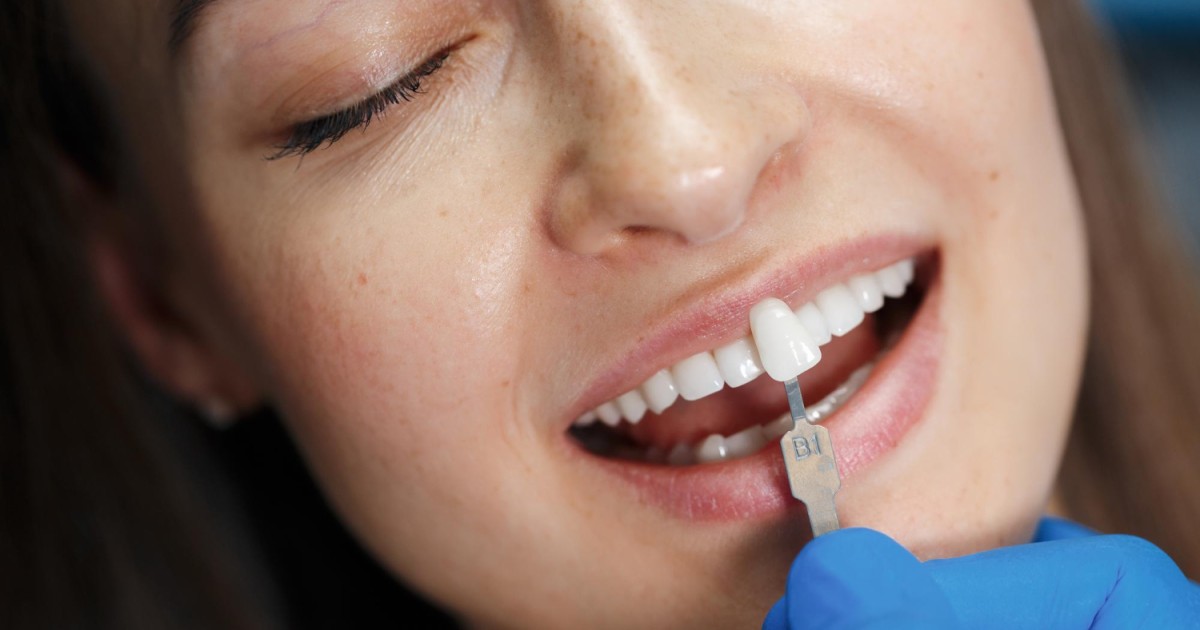
A shade guide is used to choose a resin color that closely matches your natural enamel. The dentist will closely examine and match your teeth with the shade guide under natural light.
Next, the tooth surface is gently roughened. This is done to make sure that resin bonds well to the tooth.
A conditioning liquid is applied. This step helps the resin stick strongly to the tooth.
The dentist places it in small amounts of composite resin and shapes every corner carefully. It is done so that the tooth structure closely resembles the natural tooth.
Once everything looks natural, a curing light (blue light) hardens the material.
Finally, the bonded tooth is polished until it shines just like the surrounding teeth.
Most teeth take about 30 to 60 minutes for completion.
Many people don't need a numbing injection because the procedure is usually painless.
Dental Bonding Procedure Timeline
Most dental bonding procedures take 30 to 60 minutes per tooth and are usually completed in a single dental visit. Complex cases involving multiple teeth may take longer or require additional appointments.
Step |
What Happens? |
Approximate Time |
1. Dental Examination |
Your dentist examines your teeth, discusses your concerns, and may take X-rays if needed to ensure the tooth is healthy enough for bonding. |
5 to 10 minutes |
2. Shade Selection |
A shade guide is used to choose a composite resin that closely matches the color of your natural teeth. |
2 to 5 minutes |
3. Tooth Preparation |
The tooth surface is gently roughened, and a conditioning liquid is applied to help the composite resin bond securely. |
3 to 5 minutes |
4. Composite Resin Application |
The tooth-colored resin is applied in layers and carefully sculpted to restore the tooth's shape, size, and appearance. |
10 to 20 minutes |
5. Curing |
A special blue curing light hardens the composite resin within seconds. Additional layers may be cured if needed. |
1 to 3 minutes |
6. Shaping and Polishing |
The bonded tooth is trimmed, adjusted, and polished until it blends naturally with the surrounding teeth and feels comfortable when you bite. |
10 to 15 minutes |
7. Final Bite Check |
Your dentist checks your bite and makes any final adjustments to ensure the restoration feels natural and functions properly. |
2 to 5 minutes |
Who Is A Suitable Candidate For Dental Bonding?
Bonding works best for small cosmetic improvements. Your dentist will suggest you do dental bonding if:
If your tooth has a tiny chip after falling.
If you have a small gap between front teeth.
One of your teeth is slightly shorter than the others.
A tooth with white or brown spots.
Your teeth have a rough edge that catches on your tongue.
Who Is Not A Suitable Candidate For Dental Bonding?
Not everyone is a suitable candidate for dental bonding. It may not be the best option if you have:
Very large cavities
Teeth weakened by root canal treatment
Heavy teeth grinding
Severe crowding
Large fractures
Poor oral hygiene
Untreated gum disease
If the damage is too large, bonding can chip more easily. Sometimes, your dentist might suggest that a crown protects the tooth better. If the problem is crooked teeth, braces or clear aligners may give a healthier result than simply covering the problem with resin. Your dentist will help decide which option is safest.
Is Dental Bonding Painful?
No, it is not a painful procedure most of the time, as very little tooth structure is removed; most people don't need anesthesia. You may feel slight sensitivity afterward, especially if bonding was done near the gumline. That usually settles within a few days.
How Long Does Dental Bonding Last?
Many bonded teeth last between 3 and 10 years. Some last even longer with excellent care. Others may chip within months if someone bites pens, opens packets with their teeth, or grinds their teeth during sleep. The duration for which the dental bonding would last depends on the quality of material, technique used by your dentist and also how you are taking care of the bonded tooth.
What Makes Bonding Wear Out Faster?
Several everyday habits can shorten the life of a bonded tooth and affect its durability. These include:
Chewing hard substances like ice, bones, and hard nuts.
Biting fingernails often.
Opening bottles with teeth.
Chewing on pencils.
Smoking.
Grinding your teeth while sleeping can also cause dental bonding to stain.
Does Dental Bonding Stain?
Yes. Composite resin is more likely to stain than porcelain. Common daily foods and beverages can stain dental bonding. Here are a few examples:
Coffee.
Tea.
Red wine.
Turmeric.
Smoking.
These can slowly darken the bonded area over time. The natural tooth may whiten with bleaching, but bonded resin usually does not. If you whiten your teeth later, you may need the bonding replaced so the colors match again.
Bonding vs. Veneers
Feature |
Dental Bonding |
Dental Veneers |
Material |
Tooth-colored composite resin |
Custom-made porcelain shells |
Procedure |
Resin is applied directly to the tooth and shaped |
Veneers are fabricated in a dental laboratory and bonded later |
Number of Visits |
Usually completed in one visit |
Typically requires two or more visits |
Cost |
Lower |
Significantly higher |
Tooth Preparation |
Minimal or no enamel removal in many cases |
Usually requires removal of a thin layer of enamel |
Repairability |
Easy to repair if chipped |
Repairs are difficult; replacement is often needed |
Stain Resistance |
More likely to stain over time |
Highly stain resistant |
Longevity |
Typically 3 to 10 years |
Often 10 to 15 years or longer with proper care |
Best For |
Small chips, gaps, minor shape corrections |
Comprehensive smile makeovers and more noticeable cosmetic changes |


Consult a dental surgeon
Bonding vs. Crowns
Feature |
Dental Bonding |
Dental Crowns |
Coverage |
Repairs only the damaged or imperfect portion of the tooth. |
Covers the entire visible part of the tooth |
Tooth Preservation |
Preserves more natural tooth structure |
Requires more tooth reduction |
Strength |
Suitable for minor to moderate repairs |
Better for severely damaged or weakened teeth |
Procedure |
Usually completed in one appointment |
Often requires two visits (unless same-day CAD/CAM crowns are available) |
Cost |
Lower |
Higher |
Best For |
Small chips, cracks, gaps, discoloration, and reshaping |
Teeth with large fillings, fractures, root canal treatment, or extensive decay |
Can Children Get Dental Bonding?
Yes, children can get dental bonding done. Dentists often use dental bonding to repair chipped front teeth in children after sports injuries or falls. Since children's teeth continue to develop, bonding is often a conservative and practical solution rather than opting for veneers and crowns.
Is Dental Bonding Permanent?
Dental bonding is not a permanent procedure. Bonding can be repaired or replaced as the condition requires. Because little enamel is usually removed, it is considered a conservative treatment compared with many cosmetic procedures where a large part of the tooth needs to be removed.
How To Take Care Of Dental Bonding?
Good oral hygiene practices make a huge difference. You can follow simple steps to ensure that the dental bonding lasts long.
Brush twice every day.
Floss once daily.
Visit your dentist every six months.
Wear a night guard if you grind your teeth.
Avoid biting very hard foods with bonded front teeth.
If you notice a rough edge or tiny chip, don't ignore it.
Small repairs are much easier than replacing the entire bonding.
Possible Risks Of Dental Bonding
Dental bonding is considered very safe. Still, a few problems can happen. The resin may:
Chip
Wear down
Become rough
Stain
Break if heavy force is applied
Small repairs are usually straightforward and much less expensive than replacing crowns or veneers.
Advantages of Dental Bonding
Dental bonding offers several benefits, especially for people looking for a quick and conservative cosmetic treatment.
The procedure is usually completed in a single dental visit
No healthy enamel needs to be removed in most of the cases.
The composite resin is carefully matched to the color of your natural teeth, creating a natural appearance.
If the bonding chips or wears down over time, it can often be repaired without replacing the entire restoration. Thus removing the need for complete retreatment.
It is cheaper than veneers or dental crowns.
Cost of Dental Bonding
Dental bonding is among the most affordable cosmetic dental treatments in the United States.
The cost ranges from $100 to $600 per tooth.
It depends on the size of the repair, the dentist's experience, and the location.
As dental bonding is less expensive than veneers or crowns, it is often a practical option for fixing small chips, gaps, or discoloration.
Lifespan of Dental Bonding
Dental bonding usually lasts 3 to 10 years before it may need to be repaired or replaced.
This is not a fixed time frame.
It depends on the location of the bonded tooth, oral hygiene habits, and whether you avoid biting hard foods, chewing ice, or using your teeth to open objects.
Regular dental checkups, daily brushing and flossing, and limiting foods and drinks that can stain composite resin can help extend the life of your dental bonding.
Should You Get Dental Bonding Done?
It depends on your dental problem. If your concern is a small chip, a tiny gap, slight discoloration, or an uneven edge, dental bonding can make a big difference without major dental work.
The treatment is quick.
It usually doesn't hurt.
It keeps most of your natural tooth intact.
Large tooth fractures, severe wear, or major bite problems often need stronger treatments rather than dental bonding. The best results happen when the right treatment is chosen for the right patient.
Your dentist will guide you best and professional dental advice is always the first step. Together, you can decide whether dental bonding fits your smile, your budget, and your long-term dental health goals.
Dental Bonding Before and After: What Results Can You Expect?
Dental bonding is excellent treatment option for cosmetic imperfections. After treatment, chipped teeth can look whole again, small gaps may appear closed, uneven edges can be reshaped, and minor discoloration can be covered with tooth-colored composite resin. Because the resin is matched to the shade of your natural teeth, the results often blend in seamlessly.
Dental bonding works best for small dental problems that cause cosmetic concern, including:
Small chips or cracks on the tooth
If you have narrow gaps between teeth
Slightly uneven or misshapen teeth, like conical or peg-shaped teeth.
If you have mild discoloration that does not respond to teeth whitening
Worn tooth edges
If you have exposed tooth roots caused by gum recession
However, bonding is not the solution to all your dental problems. It is not useful for large tooth fractures, severely worn teeth, tooth misalignment, deep tooth decay, or very dark discoloration. For such dental problems, treatments such as veneers, crowns, orthodontics, or other restorative procedures are better.
References
Frequently asked questions
How long does dental bonding last?
Dental bonding usually lasts 3 to 10 years. With good oral hygiene and healthy habits, it can last even longer. Avoid biting hard objects like ice, pens, or fingernails to help it stay in good shape.
Is dental bonding painful?
No. Dental bonding is usually painless because very little or no tooth structure is removed. Most people do not need a local anesthetic unless the bonding is being used to fill a cavity.