Dental Veneers for Missing Teeth: Stunning Results vs. What You Must Avoid


A healthy and attractive smile plays an important role in confidence and overall well-being. Dental veneers for missing teeth are a common topic of interest for patients seeking cosmetic improvements. While dental veneers are widely used to enhance the appearance of stained, chipped, or slightly misaligned teeth, many patients wonder if they can replace a missing tooth.
The answer is no. Dental veneers for missing teeth cannot be placed on areas where teeth are completely missing because they require a natural tooth for support. However, veneers can be part of a comprehensive smile restoration plan when combined with other restorative procedures such as dental implants or bridges.
What Are Dental Veneers
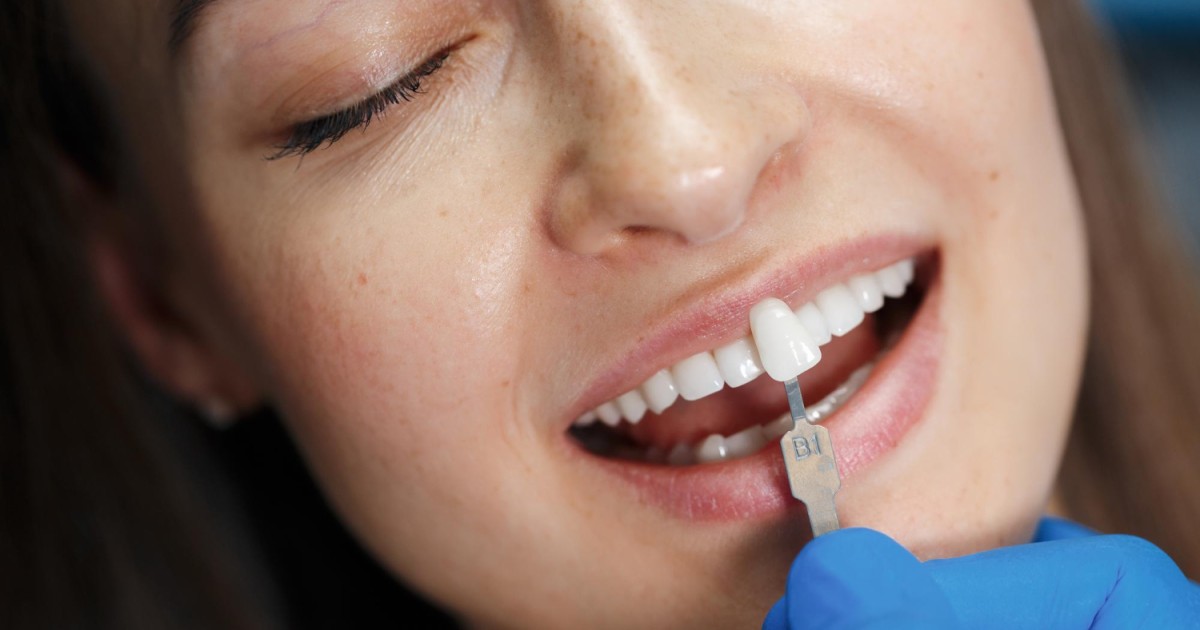
Dental veneers are thin shells made from porcelain or composite resin. They are custom-designed to bond to the front surface of the tooth, improving its shape, size, and color. Veneers are highly effective for discolored teeth, small chips or cracks, uneven or worn teeth, and minor gaps between existing teeth.
Because veneers rely on the underlying tooth for strength and stability, they cannot replace missing teeth on their own.
Treatment Options for Missing Teeth
If one or more teeth are missing, the following options may be considered along with veneers:
Dental Implants – An implant acts as a replacement root. Once healed, a crown is placed over the implant. Veneers may then be applied to adjacent teeth for a uniform appearance.
Dental Bridges – A bridge uses the neighboring teeth as anchors to support a replacement tooth. Veneers may be used on the supporting teeth to create a balanced look.
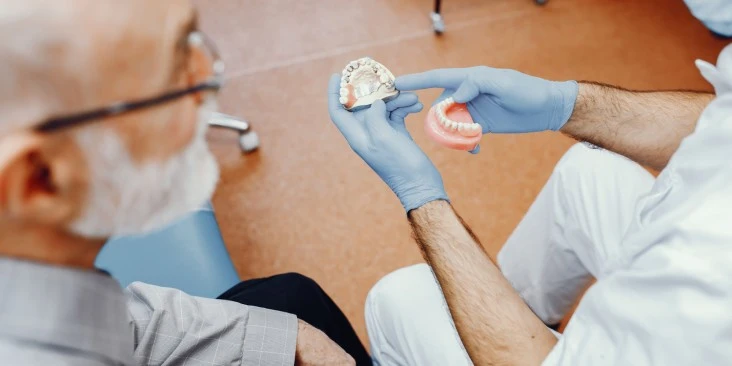
Partial Dentures – For patients with multiple missing teeth, partial dentures may be recommended. Veneers can enhance the natural teeth that remain, improving the overall smile.
Benefits of Veneers Combined with Restorative Care
Natural-looking results
Long-lasting durability
Improved confidence in speaking, smiling, and eating


Consult a dental surgeon
What You Must Avoid
When considering dental veneers for missing teeth, it is important to avoid expecting veneers alone to replace missing teeth. Attempting to use veneers on areas without natural tooth structure can lead to poor results and damage to surrounding teeth. Avoid choosing a cosmetic solution without consulting a qualified dentist, as improper treatment may cause misalignment, bite issues, or long-term oral health problems. Additionally, be cautious of low-cost or unlicensed clinics promising quick fixes, as quality materials and precise placement are essential for durability and a natural appearance. Always follow professional guidance to ensure a safe and successful smile restoration.
Important Considerations
Veneer placement is irreversible and requires removal of a thin layer of enamel
Good oral hygiene is essential to protect both veneers and restorative work
Veneers improve appearance but do not replace the function or strength of a natural tooth
Conclusion
While dental veneers cannot replace missing teeth, they are an excellent option for improving the appearance of natural teeth. When combined with implants, bridges, or dentures, veneers help create a smile that is both functional and aesthetically pleasing. A consultation with a qualified dentist is the best way to determine the right treatment approach for your individual needs.
You can also read: 13 Remedies to Kill Tooth Pain Nerve in 3 Seconds Permanently at Home
References
Frequently asked questions
Can veneers replace missing teeth?
No. Traditional veneers are thin shells bonded to existing teeth to improve appearance; they can't replace a missing tooth. Missing teeth are replaced with implants, bridges, or dentures, and veneers may then enhance nearby teeth.
What are the best options for missing teeth?
Common options are dental implants (a titanium post with a crown), fixed bridges, and partial dentures. The best choice depends on how many teeth are missing, jawbone health, and budget — a dentist can advise.
Can you get veneers if you have missing teeth?
You can get veneers on your remaining natural teeth, but the gap from a missing tooth must first be restored with an implant, bridge, or denture. Veneers alone won't fill a gap.
How long do veneers last?
Porcelain veneers typically last 10–15 years or more with good care, while composite veneers last around 5–7 years. Good oral hygiene and avoiding hard biting extend their life.
What should you avoid with veneers and missing teeth?
Avoid using veneers as a substitute for replacing a missing tooth, choosing unlicensed providers, and biting hard objects. Untreated gaps can shift teeth and worsen the problem.