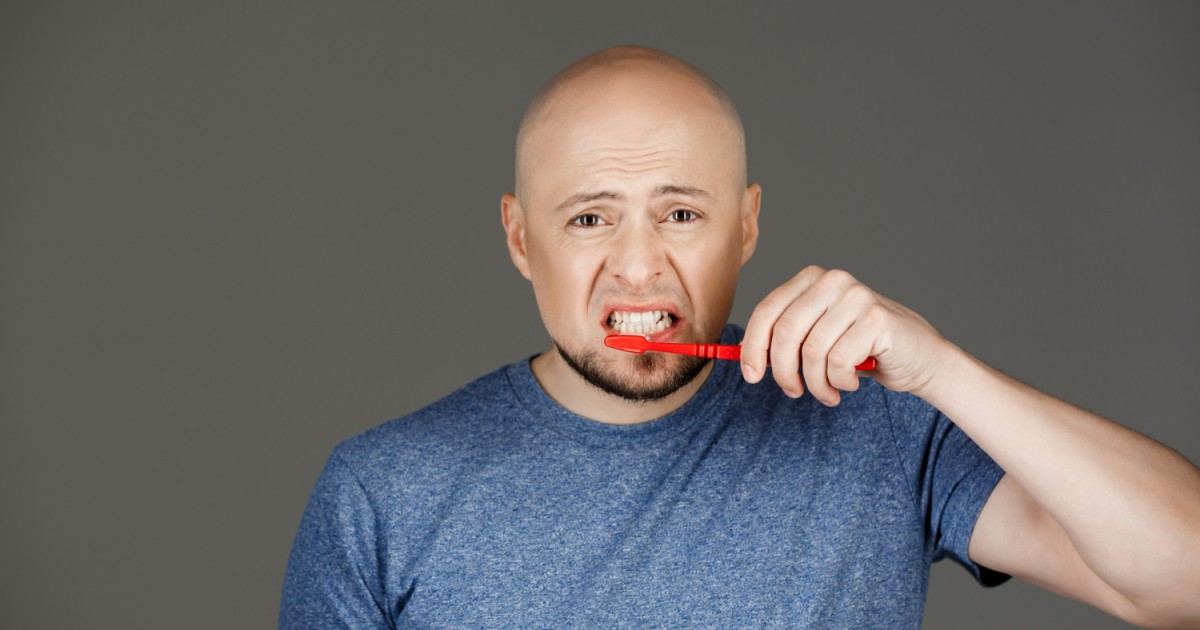
Charcoal toothpaste has become one of the hyped oral care products that promise a gentle way to whiten teeth, remove stains, and detoxify the mouth. But the main question is can charcoal toothpaste damage enamel?
Current research suggests that some charcoal toothpaste may be abrasive enough to contribute to enamel wear over time, especially when used frequently or combined with aggressive brushing. Charcoal toothpaste whiten teeth by abrasive action that is they remove surface stains to make teeth look whiter. They do not have a bleaching action like that seen in professional whitening treatments and tooth whitening strips.
The level of risk of enamel damage depends largely on the product's formulation rather than the activated charcoal itself. In this blog, we'll discuss how charcoal toothpaste works, what research says about enamel damage, whether it's safe for daily use, and what dentists recommend if you want a whiter smile without compromising your oral health.
What Is Charcoal Toothpaste?
Charcoal toothpaste contains activated charcoal which is the primary ingredient being marketed as a tooth whining agent. Activated charcoal is a fine black powder. It is produced by heating carbon-rich substances such as coconut shells, bamboo, or wood at very high temperatures. This process creates millions of microscopic pores. It gives activated charcoal a large surface area capable of adsorbing certain molecules.
Activated charcoal has long been used in medicine to treat specific types of poisoning because it can bind to toxins within the gastrointestinal tract. However, according to manufacturer claims in oral care activated charcoal can help through:
Remove surface stains from teeth
Absorb pigments from coffee, tea, and red wine
Freshen breath
Reduce plaque
Detoxify the mouth
Brighten the smile naturally
Scientific evidence supporting many of these claims is limited. Charcoal primarily acts as a mild polishing or adsorbing agent, helping lift stains from the outer tooth surface.
How Do Charcoal Toothpaste Work?
Activated charcoal, which is the primary active ingredient in charcoal toothpaste, works through a process known as adsorption (not absorption.) Adsorption is the process through which molecules adhere to the surface of a substance. Activated charcoal can be imagined as a sponge with millions of microscopic pores. Instead of soaking substances into its core, these pores allow particles to stick to the surface of the charcoal.
When brushing, charcoal particles may help bind to pigments found in foods and drinks such as:
Coffee
Tea
Red wine
Curry
Tobacco stains
While brushing these pigment-bound particles are washed away, making the teeth appear cleaner.
Many charcoal toothpastes also contain abrasive particles. These abrasives physically scrub away the thin layer of stain sitting on top of the enamel. This makes many people notice an immediate improvement in brightness after using charcoal toothpaste for a short time. The whitening effect comes primarily from removing external stains like tea coffee, not from changing the natural color of the tooth.
Why Is Enamel Important?
Tooth enamel is the hard outer covering of your teeth. It is the hardest substance in the human body (even harder than bone). Its primary role is to protect the softer inner layers of the tooth from:
Chewing forces
Temperature changes
Acid attacks
Bacteria
Everyday wear
However, once lost it cannot regenerate itself. Unlike skin or bone, enamel contains no living cells so it cannot grow back. Another important factor is that when enamel becomes thinner, the naturally yellow dentin beneath it begins to show through.
Excessive abrasion action of charcoal toothpaste intended to make teeth look whiter can eventually make them appear more yellow due to enamel loss.
Does Charcoal Toothpaste Damage Enamel?
Yes, they can damage enamel depending upon the formulation of the toothpaste. But not all the charcoal toothpaste damage enamel. The risk depends on several factors, including:
The abrasiveness of the toothpaste
Particle size of charcoal
Brushing technique used
Frequency of use
Whether fluoride is present
Existing enamel health
One of the biggest misconceptions among readers is that activated charcoal itself is always harmful. The main issue lies in the overall formulation of the toothpaste. Some charcoal toothpastes contain relatively smooth, well-formulated polishing agents and have acceptable levels of abrasivity. Others contain larger, rougher particles capable of producing greater scrubbing action and wearing off of enamel.
How Enamel Loss Happens Through Charcoal Toothpaste?
While brushing tiny abrasive particles in the toothpaste help remove plaque and stains. All toothpastes contain abrasives. Common examples of abrasives include:
Hydrated silica
Calcium carbonate
Dicalcium phosphate
Baking soda
If too little abrasive agents are used it leaves stains behind. If too much abrasion is present it gradually wears away enamel and exposed root surfaces. The problem with some charcoal toothpastes is that they may be more abrasive than conventional fluoride toothpastes, depending on their formulation and particle size.
It is important to understand the following before using a charcoal toothpaste:
Not all charcoal toothpastes cause enamel damage.
Repeated use of a highly abrasive charcoal toothpaste in addition to aggressive toothbrushing or use of a hard-bristled toothbrush can gradually wear away the outer enamel layer over time.
As enamel becomes thinner due to wearing off, the underlying yellow dentin may become more visible, making teeth appear darker rather than whiter which is the total opposite of why people use these pastes.
Enamel loss can also increase the risk of tooth sensitivity, particularly when consuming hot, cold, or sweet foods and drinks.
The risk of wear depends on factors such as the toothpaste's abrasiveness (often measured by Relative Dentin Abrasivity or RDA), whether it contains fluoride, brushing technique, and how often it is being used.
Choosing a fluoride-containing toothpaste with balanced abrasivity and brushing gently with a soft-bristled toothbrush can help protect enamel while maintaining good oral hygiene.
Does Charcoal Toothpaste Really Whiten Teeth?
Yes charcoal toothpastes might whiten teeth but their action is limited to removal of extrinsic stains. Charcoal toothpaste can help remove extrinsic stains, which are stains found on the surface of the enamel. These include stains caused by:
Coffee
Tea
Tobacco
Red wine
Certain spices
Colored beverages
Once these stains are removed, enamel becomes more clean, more visibly less stained, making the teeth appear brighter.
However, charcoal toothpaste cannot whiten intrinsic stains, which occur inside the tooth. Intrinsic discoloration may result from:
Aging
Certain medications
Dental trauma
Excess fluoride during tooth development
Genetics
Root canal treatment
Because activated charcoal cannot change the internal shade of the tooth. This is one reason why professional whitening treatments generally produce more noticeable and longer-lasting results.
What Research Says About Charcoal Toothpaste And Enamel Damage?
Several research studies suggest that some charcoal-containing toothpastes are more abrasive than conventional fluoride toothpastes, and can increase enamel roughness due to their scrubbing off action with prolonged use. Increased surface roughness may also encourage plaque retention and make future staining more likely.
This is not universal with all charcoal products.
Differences in particle size, charcoal concentration, additional abrasives, and overall formulation mean that two charcoal toothpastes can have very different effects on enamel.
While charcoal can help remove some external stains, there is insufficient research to conclude that it provides superior whitening compared with standard fluoride whitening toothpastes.
Another important finding is that many charcoal toothpastes either contain little fluoride or no fluoride at all.
Using a toothpaste that lacks adequate fluoride may compromise long-term protection against tooth decay, especially for people already at higher risk of dental caries.
Is Every Charcoal Toothpaste Bad for Your Enamel?
Not all toothpastes are equally abrasive. Dentists often refer to a measurement called Relative Dentin Abrasivity (RDA) to estimate how abrasive a toothpaste is. Although the test measures abrasion on dentin rather than enamel, it provides a useful indication of how aggressively a toothpaste may clean your teeth.
In general:
RDA below 70: Low abrasivity
RDA 70–100: Moderate abrasivity
RDA 100–150: Higher abrasivity
RDA above 250: Considered unsafe for regular use
A higher RDA does not automatically mean a toothpaste is harmful. It simply means it removes stains more aggressively. This means in a person with already thin enamel , gum recession, exposed roots, or tooth sensitivity, repeatedly using a highly abrasive toothpaste may increase the damage.
NOTE: Many manufacturers do not disclose the RDA value, making it difficult for consumers to compare products. Instead of relying solely on marketing claims such as "natural" or "gentle," dentists usually recommend looking for products that contain fluoride, have evidence supporting their safety, and ideally carry recognition from reputable dental organizations.
Does Charcoal Toothpaste Have the ADA Seal of Acceptance?
No charcoal toothpaste currently carries the ADA Seal of Acceptance.
Many manufacturers simply choose not to participate in the ADA's voluntary evaluation program.
Limited published data on the abrasivity of many charcoal formulations and lack of independent evaluation is an important consideration when choosing a toothpaste.
Laboratory studies show charcoal toothpastes can range from RDA 26 to 166, meaning some are low-abrasive while others are considerably more abrasive.
Unlike many conventional toothpastes, most charcoal toothpaste manufacturers do not publish their RDA values.
Consumers cannot reliably compare abrasiveness based on packaging alone.
If enamel protection is a priority, choosing a fluoride-containing toothpaste from a reputable manufacturer after dentist recommendation is a better option.
Charcoal Toothpaste vs. Charcoal Powder: What's the Difference?
Feature |
Charcoal Toothpaste |
Charcoal Powder |
Formulation |
Contains activated charcoal along with abrasives, fluoride (in some products), humectants, and other toothpaste ingredients |
Pure or nearly pure activated charcoal powder with no additional protective ingredients |
Fluoride Content |
Some products contain fluoride, while others are fluoride-free |
Typically fluoride-free |
Whitening Action |
Removes surface (extrinsic) stains through mild abrasion and polishing |
Removes surface stains through abrasion but does not bleach teeth |
Risk of Enamel Wear |
Varies by formulation and abrasivity; some products may be suitable for occasional use |
Generally higher due to loose, coarse particles and lack of controlled formulation |
Plaque Removal |
Comparable to regular toothpaste when used correctly |
Limited evidence of superior plaque removal compared to conventional toothpaste |
Protection Against Cavities |
Only if the toothpaste contains fluoride |
No cavity protection because it lacks fluoride |
Ease of Use |
Convenient, easy to apply, and less messy |
Messy to use and difficult to rinse completely |
Suitable for Daily Use? |
Depends on the product's abrasivity and fluoride content; regular fluoride toothpaste remains the preferred choice for daily use |
Not recommended for daily use due to potential abrasiveness and lack of fluoride |
Best For |
Occasional removal of surface stains when chosen carefully |
Not routinely recommended by dental professionals |


Consult a dental surgeon
Potential Risks and Side Effects Of Charcoal Toothpaste
Although charcoal toothpaste may help remove superficial stains, it can have certain side effects.
1. Enamel Wearing Off
Repeated and frequent use of highly abrasive products may gradually thin and wear down the protective enamel layer. Because enamel cannot regenerate, preventing unnecessary wear is essential.
2. Tooth Sensitivity
As enamel becomes thinner or root surfaces become exposed, teeth may become more sensitive to hot, cold, sweet, or acidic foods and beverages.
3. Increased Risk of Cavities
Several charcoal toothpastes contain little or no fluoride. Fluoride helps strengthen enamel through remineralization and reduces the risk of tooth decay. Replacing a fluoride toothpaste with a fluoride-free charcoal product may leave the teeth more prone to cavities.
4. Dark Residue Around Dental Restorations And Fillings
Charcoal particles can collect around the margins of fillings, crowns, veneers, orthodontic brackets, or other restorations, making cleaning more difficult.
5. Limited Whitening Results
Many users expect whitening results similar to professional bleaching. In reality, charcoal toothpaste primarily removes surface stains and does not change the natural shade of the tooth. So, the unexpected results might fail the expectations of the consumers.
6. False Sense of Security
A brighter-looking smile does not necessarily mean healthier teeth. Plaque control, fluoride exposure, diet, and regular dental check-ups remain far more important than the color of your toothpaste.
Who Should Avoid Charcoal Toothpaste?
Charcoal toothpaste may not be the best option for everyone. Consider discussing alternatives with your dentist if you have:
Sensitive teeth
Significant enamel erosion
Gum recession
Exposed root surfaces
Frequent cavities
Dry mouth
Acid reflux or eating disorders associated with enamel erosion
Braces or orthodontic appliances
Multiple crowns, veneers, or composite restorations
Children who require optimal fluoride protection
Safer Alternatives for Whitening Teeth
It is best to discuss safer alternatives with a dentist if you aim at improving the shade of your teeth rather than blindly trusting charcoal toothpastes which are associated with enamel wear.
Whitening Fluoride Toothpaste
Many whitening toothpastes use carefully balanced polishing agents together with fluoride. These products may help to remove everyday stains while protecting enamel. It is best to consult your dentist while choosing your toothpaste.
Professional Teeth Whitening
Dentist-supervised whitening professional treatment uses hydrogen peroxide or carbamide peroxide to break down stain molecules inside the tooth. Because the treatment is professionally monitored by a dentist, it is more effective than over-the-counter charcoal products.
Custom Whitening Trays
Custom trays provided by a dentist deliver whitening gel evenly across the teeth while minimizing irritation to the gums. Better than toothpastes containing activated charcoal.
Good Daily Oral Hygiene
Sometimes the simplest habits make the greatest difference:
Brush twice daily with a soft-bristled toothbrush.
Use a fluoride toothpaste.
Floss or clean between your teeth every day.
Limit tobacco use.
Rinse with water after coffee, tea, or red wine.
Schedule regular professional cleanings.
Charcoal Toothpaste vs. Other Whitening Alternatives
Whitening Method |
Approx. Abrasion Level (RDA)* |
Whitens Intrinsic Stains? |
Enamel Risk |
Charcoal toothpaste |
Variable (reported range: ~26–166 depending on formulation) |
No |
Low to moderate, depending on abrasivity and frequency of use |
Standard fluoride toothpaste |
Low to moderate (~70–100) |
No |
Low |
Low-abrasion/sensitivity toothpaste |
Low (~30–70) |
No |
Very low |
Peroxide whitening strips |
Not abrasive (chemical whitening) |
Yes |
Low, when used as directed |
Professional in-office whitening |
Not abrasive (chemical whitening) |
Yes |
Low, under dentist supervision |
Baking soda toothpaste |
Very low (typically low-RDA formulations) |
No |
Very low |
*RDA = Relative Dentin Abrasivity. Most charcoal toothpaste manufacturers do not publicly disclose RDA values, and abrasivity varies considerably between brands.
How to Choose a Safe Whitening Toothpaste?
It is important to consider the following aspects when looking for a whitening toothpaste:
Contain fluoride for cavity prevention.
Use gentle polishing agents rather than excessive abrasives.
Are supported by clinical evidence.
Come from reputable manufacturers.
Clearly explain their whitening mechanism instead of making exaggerated claims.
If in doubt take your dentists guidance
No toothpaste can permanently whiten teeth by itself. Whitening toothpastes mainly maintain brightness by removing new surface stains.
How to Use Charcoal Toothpaste Safely?
If you decide to use charcoal toothpaste, these tips can help reduce the risk of enamel wear:
Use it only occasionally (1–2 times per week), not as your everyday toothpaste.
Choose a fluoride-containing charcoal toothpaste to help protect against cavities and support enamel remineralization.
Use a soft-bristled toothbrush to minimize abrasion.
Brush gently using light, circular motions—avoid scrubbing.
Brush for only 2 minutes and avoid overbrushing.
Don't brush immediately after acidic foods or drinks (e.g., citrus fruits, soda, wine) dentist suggest to wait 30-60 minutes to allow enamel to reharden.
Avoid combining it with other abrasive whitening products, such as whitening powders or harsh whitening toothpastes.
Do not use charcoal powder directly on your teeth, as it may be more abrasive than formulated toothpaste.
Check for signs of sensitivity or enamel wear, such as pain with hot, cold, or sweet foods, and stop use if these occur.
People with veneers, crowns, bonding, braces, gum recession, or thin enamel should consult their dentist before using charcoal toothpaste.
Routine dental check-ups 6 monthly is essential so your dentist can monitor enamel health and recommend safer whitening options if needed.
References
- Brooks JK, Bashirelahi N, Reynolds MA. Charcoal and charcoal-based dentifrices: A literature review. Journal of the American Dental Association. 2017;148(9):661–670. · source
- American Dental Association. MouthHealthy: Whitening Toothpastes and Tooth Whitening. · source
- Greenwall L, Greenwall-Cohen J, Wilson NHF. Charcoal-containing dentifrices. British Dental Journal. 2019;226:697–700. · source
Frequently asked questions
Does charcoal toothpaste damage enamel?
Few charcoal toothpastes can contribute to enamel wear if they are highly abrasive or used excessively. The risk depends on the product formulation, RDA, brushing technique, and frequency of use rather than activated charcoal alone.
Can I use charcoal toothpaste every day?
Daily use is not ideal, particularly if the toothpaste lacks fluoride or has high abrasivity. A fluoride toothpaste remains the preferred choice for routine oral hygiene.
Can charcoal toothpaste repair enamel?
No. Once enamel is permanently lost, it cannot grow back like other skin. Fluoride can strengthen and remineralize weakened enamel but cannot replace enamel that has already worn away.