Why Is My Upper Eyelid Swollen? Causes, Symptoms, Treatment, and When to Worry

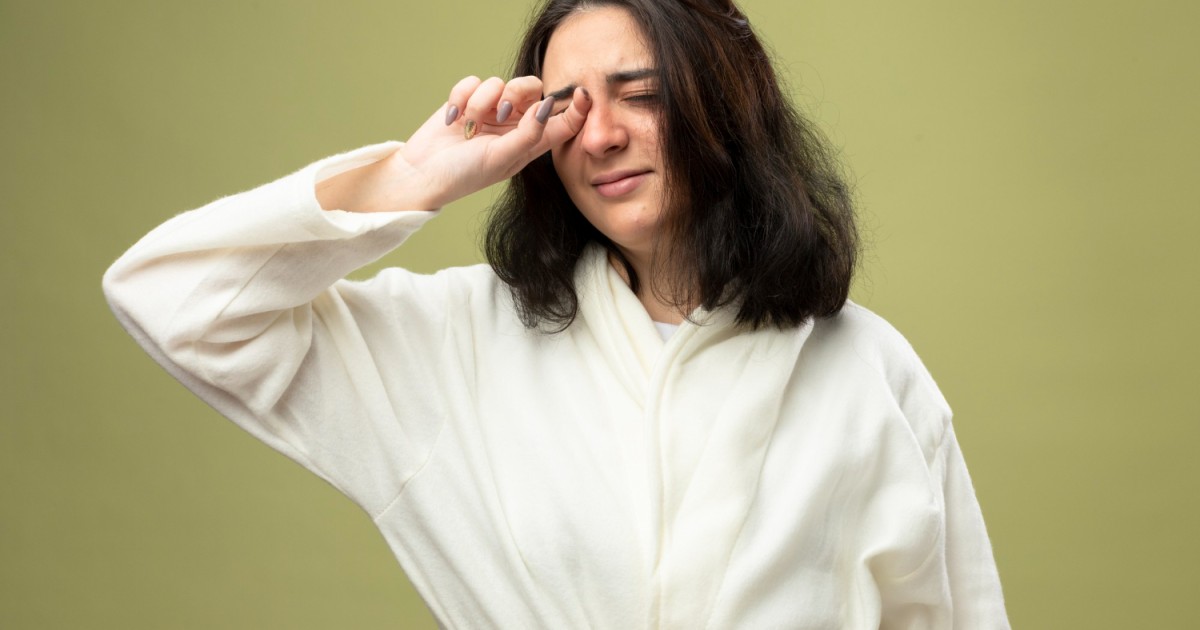
Waking up and finding your upper eyelid swollen can be confusing. You may wonder Why Is My Upper Eyelid Swollen? .... if you have an eye infection, an allergy, a stye, or simply slept badly.
The cause is not always obvious from the swelling alone. The location of the swelling, whether it hurts or itches, whether there is a lump, and whether your vision or eye movements are affected can provide important clues. These features are also used by clinicians when working out the cause of eyelid swelling.
Most cases are caused by common problems such as a stye, chalazion, allergy, blepharitis, irritation, or conjunctivitis. Some cases, however, are related to infections around the eye and need prompt treatment. This guide explains the common causes in simple terms and, more importantly, helps you understand what your particular type of swelling may mean.
What does a swollen upper eyelid mean?
A swollen eyelid means that extra fluid or inflammation has developed in the tissues of the eyelid. The swelling can be:
On one upper eyelid
On both upper eyelids
Near the eyelashes
Around a small lump
Spread across the whole eyelid
Mild or very severe
You may also have symptoms like
Pain
Itching
Redness
Watery eyes
Eye discharge
Crusting around the eyelashes
A feeling of something being in your eye
Blurred vision
Eyelid swelling can come from a local problem in the eyelid, an infection, an allergic reaction, an injury, or, less commonly, a condition affecting the body more generally. So, the first question should not simply be, "Why is my eyelid swollen?" It should be: "What other symptoms do I have with the swelling?" That can narrow down the possible cause.
Why Is My Upper Eyelid Swollen?
1. Stye
A stye is one of the most common causes of a swollen, painful eyelid. It usually develops as a small red bump close to the eyelashes. It may look similar to a pimple and can be painful when you touch it.
You may notice:
A small painful lump
Redness
Swelling
Tenderness
Watering
Sometimes a small amount of discharge
A stye usually develops over a few days. It often gets better without major treatment.
What can you do?
A clean, warm compress can help.
Place a comfortably warm, clean cloth over your closed eye for about 5 to 10 minutes, several times a day. Mayo Clinic recommends warm compresses as part of self-care for a stye.
Do not squeeze or pop the sty.
That can irritate the area and potentially spread infection.
2. Chalazion
A chalazion can look quite similar to a stye, but there is an important difference. A chalazion is usually a firm, painless lump caused by a blocked oil gland in the eyelid. It can occur on the upper eyelid and may make the surrounding area look swollen.
Stye vs. chalazion
Feature |
Stye |
Chalazion |
Pain |
Usually painful |
Usually painless |
Appearance |
Red, tender bump |
Firm lump |
Location |
Often near eyelashes |
Often deeper in the eyelid |
Main problem |
Inflammation/infection |
Blocked oil gland |
Warm compress |
Often helpful |
Often helpful |
A chalazion can become large enough to press on the eye and affect vision. If a lump stays for a long time, keeps returning, becomes large, or affects your vision, an eye professional should examine it.
3. Allergy
If your upper eyelid suddenly becomes puffy and itchy, an allergy may be responsible. Allergic eyelid swelling can happen after exposure to:
Dust
Pollen
Pet dander
Cosmetics
Eye creams
Eyelash glue
Contact lens products
Certain medicines or foods
Allergic swelling often causes itching rather than pain. You may also have watery eyes, sneezing, a runny nose, or swelling in both eyes. A cool compress may make the swelling feel better. If you recently started using a new eye or facial product, stop using it until you know whether it caused the reaction.
NOTE: If eyelid swelling comes with swelling of your lips or tongue, difficulty breathing, wheezing, or feeling faint, this could be a severe allergic reaction. Seek emergency medical care.
4. Blepharitis
Blepharitis is inflammation of the eyelid edges. It can make the eyelids look swollen, red, or irritated. You may also notice crusting around your eyelashes. Other symptoms include:
Itching
Burning
Dry eyes
Watery eyes
Red eyelid edges
Crusty eyelashes
A gritty feeling
Blepharitis can also increase the chance of developing styes and chalazia. Unlike a stye, you may not see one obvious painful lump. If your eyelids regularly feel irritated when you wake up, blepharitis could be one possible cause.
5. Conjunctivitis
Conjunctivitis, often called pink eye, can also cause eyelid swelling. The swelling is usually accompanied by changes in the eye itself. You might have:
A red or pink eye
Watery eyes
Sticky discharge
Itching
Burning
Eyelids sticking together
The cause may be viral, bacterial, allergic, or related to irritation. This is important because not every case of pink eye needs antibiotic eye drops. The treatment depends on what is causing it.
6. Contact dermatitis or irritation
Your eyelid skin is thin and sensitive. A product that is fine on the rest of your face can still irritate your eyelids. Possible triggers include:
Face creams
Makeup
Mascara
Eyeliner
Sunscreen
Shampoo
Soap
Hair products
Eyelash extensions or glue
Contact dermatitis can cause redness, itching, and swelling. Think about what touched your eyelid in the hours or day before the swelling started.
Did you try a new cream?
Did you use new makeup?
Did you change your shampoo?
These small details can be useful to determine the cause of your eyelid swelling.
7. Insect bite
An insect bite can cause sudden swelling of the upper eyelid. This can look dramatic because eyelid tissue is loose and thin. A bite may cause:
Sudden swelling
Itching
Mild redness
A small bump or bite mark
A cool compress can help with mild swelling and itching. However, rapidly increasing swelling, severe pain, fever, vision changes, or breathing problems should not be assumed to be a simple insect bite.
8. Injury
An injury around the eye can cause swelling and bruising. For example, you may hit your face, accidentally scratch the eyelid, or get something near the eye while playing sports. The swelling may appear quickly or become more noticeable over the next day.
If you have:
Severe eye pain
Blurred or reduced vision
Blood inside the eye
A serious injury
Trouble moving the eye
In such a case you should get medical attention. Do not rub the injured eye.
9. Preseptal cellulitis
Preseptal cellulitis, also called periorbital cellulitis, is an infection of the tissues around the eye. It can cause:
Swollen eyelid
Redness
Warmth
Tenderness
Sometimes fever
It is usually one-sided. Unlike orbital cellulitis, vision and eye movements are generally normal in uncomplicated preseptal cellulitis. Because this is a bacterial infection, it usually needs medical assessment and appropriate antibiotics. This is not something you should try to treat with home remedies alone.
10. Orbital cellulitis
This is one of the more serious causes of eyelid swelling. Orbital cellulitis is an infection involving tissues deeper inside the eye socket. It can cause:
Severe swelling
Eye pain
Fever
Pain when moving the eye
Difficulty moving the eye
Bulging of the eye
Double vision
Reduced or changed vision
Changes in eye movement or vision are particularly important warning signs. Orbital cellulitis needs urgent medical treatment because it can threaten vision and can spread to nearby structures.
What does your swollen upper eyelid look like?
One of the biggest gaps in many articles about swollen eyelids is that they give you a long list of causes without helping you compare your symptoms. Here is a simpler way to look at it and understand what condition might be causing swelling in your case. However, DO NOT use this as the replacement of professional medical advice. Visit your ophthalmologist to receive the best medical treatment.
What you notice |
Possible cause |
Painful bump near eyelashes |
Stye |
Firm, usually painless lump |
Chalazion |
Itchy, puffy eyelids |
Allergy or irritation |
Crusty eyelashes |
Blepharitis |
Red eye with discharge |
Conjunctivitis |
Sudden itchy swelling after a bite |
Insect bite |
Swelling after an injury |
Trauma |
Red, hot, painful eyelid with fever |
Preseptal cellulitis |
Swelling with painful eye movement |
Possible orbital cellulitis |
Swelling with vision changes |
Needs urgent assessment |
These clues cannot give you a definite diagnosis at home. They can, however, help you understand why different types of swelling may need different treatment. Clinical evaluation also considers the timing, pain, itching, presence of a mass, vision, and eye movements.


Consult a internal medicine specialist
Why is only my upper eyelid swollen?
If only one upper eyelid is swollen, a local eyelid problem is often worth considering. For example:
A style
A chalazion
An insect bite
Contact irritation
An injury
Blepharitis
A local infection
A small lump makes a stye or chalazion more likely. If there is no lump but the eyelid is red, hot, and painful, an infection should be considered. If it suddenly becomes very itchy after using a product or being exposed to an allergen, an allergic reaction or irritation may be responsible.
Why are both upper eyelids swollen?
When both upper eyelids are swollen, allergies and generalized fluid retention become more likely possibilities. Allergies often cause itching and watery eyes.
Mild morning puffiness without pain or redness can sometimes be related to fluid movement while sleeping. Some medical conditions can also cause bilateral eyelid swelling. These include thyroid-related eye disease and disorders that cause generalized fluid retention.
If your eyelids are repeatedly swollen along with swelling in your legs, feet, face, or other parts of the body, talk to a doctor rather than assuming it is an eye problem.
Why is my upper eyelid swollen in the morning?
You may notice swollen eyelids immediately after waking up. This does not always mean you have an eye infection. Mild morning puffiness can occur because fluid collects in the tissues around the eyes while you are lying down. It can be more noticeable after poor sleep or with allergies.
However, morning swelling with a painful lump, significant redness, discharge, or worsening symptoms points toward another cause. Look at what the eyelid feels like, not only how it looks.
Why is my upper eyelid swollen but not painful?
A painless swollen eyelid can happen with:
Chalazion
Allergy
Mild irritation
Fluid retention
Some forms of blepharitis
Certain systemic conditions
A firm, localized lump is particularly suggestive of a chalazion. A soft, puffy, and itchy eyelid fits better with an allergic reaction. Painless swelling does not always mean that nothing is wrong, especially if it persists or repeatedly returns.
Why is my upper eyelid swollen and painful?
Pain changes the picture. A painful bump close to the eyelashes may be a stye. But a whole eyelid that becomes red, warm, swollen and increasingly painful may indicate infection. If you also have fever, worsening redness, or swelling that spreads toward your cheek or forehead, seek medical attention.
Pain when moving the eye is more concerning because it can occur with orbital cellulitis.
Home treatment of swollen upper eyelid
The right home care depends on the cause.
If you have a stye or chalazion
Try a warm compress.
Use a clean washcloth.
Wet it with comfortably warm water.
Close your eye.
Place the cloth gently over the eyelid.
Keep it there for about 5 to 10 minutes. Repeat several times a day.
Do not squeeze the lump.
Warm compresses are commonly recommended for styes and chalazia.
If you think it is an allergy
A cool compress may help reduce discomfort. Stop using any new cosmetic or skincare product that may have triggered the reaction.
Avoid rubbing your eyes.
If your eyelids are crusty
Gentle eyelid hygiene can help when blepharitis is responsible.
An eye-care professional can show you the best cleaning routine, especially if the problem keeps returning.
What should you avoid?
When your eyelid is swollen, avoid experimenting with random remedies. Do not:
Pop a stye
Squeeze a chalazion
Rub the eye
Share eye makeup
Share eye drops
Use someone else's prescription eye medicine
Wear contact lenses if the eye is irritated
Put non-eye-safe products into your eye
Also, don't automatically use antibiotic or steroid eye drops without medical advice. Different causes need different treatment.
When should you worry about a swollen upper eyelid?
Most eyelid problems are not serious. But certain symptoms mean you should get medical care quickly.
Seek urgent medical attention if you have:
Vision loss or significant vision changes
Severe eye pain
Pain when moving the eye
Double vision
A bulging eye
Difficulty moving the eye
High fever with eye swelling
Rapidly worsening swelling
Severe redness around the eye
Significant swelling after an eye injury
These symptoms can occur with serious infections such as orbital cellulitis.
See a doctor or eye specialist if:
The swelling keeps coming back
A lump does not go away
The swelling is getting worse
Home care does not help
Your vision is being affected
You are unsure what is causing it
How long does upper eyelid swelling last?
There is no single answer because the duration depends on the cause.
A mild allergic reaction or irritation may settle after the trigger is removed.
A stye may improve over several days.
A chalazion can last longer and may take weeks to disappear. Some chalazia need additional treatment if they do not resolve.
Infections may continue to worsen without appropriate treatment.
The important thing is to watch the trend. If the swelling is slowly improving, that is generally reassuring. If it is becoming larger, redder, or more painful, you should get it checked.
Can lack of sleep cause a swollen upper eyelid?
Poor sleep can contribute to puffy eyes, especially when the swelling is mild and affects both sides. But lack of sleep does not explain every swollen eyelid. If you have a painful lump, pus, significant redness, fever, or vision changes, look for another cause.
Can crying cause swollen eyelids?
Yes. After crying, the tissues around the eyes can become puffy. This usually settles with time. A cool compress can make the area feel more comfortable. If the swelling stays for a long time or happens even when you have not been crying, another cause may be responsible.
How can you prevent swollen eyelids?
You cannot prevent every cause, but good eye and eyelid habits can reduce some common problems.
Try to:
Wash your hands before touching your eyes.
Avoid rubbing your eyes.
Remove makeup before sleeping.
Replace old eye makeup.
Do not share eye makeup.
Clean contact lenses correctly.
Avoid wearing contact lenses when your eyes are irritated.
Keep your eyelids clean if you frequently have blepharitis.
Stop using products that repeatedly irritate your eyelids.
These simple habits can reduce exposure to irritants and may help with recurring eyelid problems.
References
Frequently asked questions
Why Is My Upper Eyelid Swollen and Is it serious
Usually, a swollen eyelid is caused by a common problem such as a stye, chalazion, allergy, irritation or blepharitis. However, severe pain, fever, vision changes or painful eye movement can indicate a more serious condition.
Can I pop a stye?
No. Avoid squeezing or popping it. Most styes improve on their own, and forcing one open can cause more irritation or spread infection.