Noticing white spots on skin can feel worrying, but in most cases, they’re harmless. These spots on skin that are white often occur when skin proteins, dead cells, or pigmentation changes disrupt normal skin tone. While conditions like vitiligo may come to mind, there are many other possible explanations, ranging from fungal infections to vitamin deficiencies.
In this article, we’ll walk through the most common reasons:
- why white patches on skin appear,
- how doctors usually diagnose them,
- and the treatment options available.
Remember, only a dermatologist can confirm the exact cause and suggest the best way forward.
What Exactly Are White Spots?
spots on skin that are white in the areas of skin that lose their natural color. This happens when melanin, the pigment responsible for skin and hair color, is reduced or absent. In severe cases, the discoloration can even affect hair or the inside of the mouth.
Although these spots are not contagious, they can feel more visible on darker skin and sometimes lead to anxiety or low self-esteem. For many people, the biggest challenge isn’t the medical impact but it’s the emotional burden of how their skin looks.
Common Causes of White Spots on the Skin
Here are some of the most frequent conditions linked to white patches on skin, along with typical treatments
Fungal Infections (Tinea Versicolor / Mycosis)
A common culprit is tinea versicolor, a fungal condition that creates small pale spots on the chest, back, or neck. These white patches on skin often become more obvious after sun exposure.
Treatment: Antifungal creams, shampoos, or oral medicines usually clear it up.
Eczema (Atopic Dermatitis)
In children especially, eczema can leave behind lighter white patches on skin once redness and rashes settle down.
Treatment: Keeping skin moisturized, using gentle cleansers, and applying medicated creams can help manage flare-ups.
Vitiligo
This is a long-term condition where the immune system attacks pigment cells, leading to large, well-defined white patches.
Treatment: Options include corticosteroid creams, light therapy, and in some cases, laser or depigmentation treatments. Results vary, and treatment often requires patience.
Sun Damage and Peeling
Too much sun can damage skin, leading to peeling and temporary spots on skin that are white, particularly on the shoulders, arms, and chest.
Treatment: Use sunscreen daily, limiting tanning, and using soothing creams to repair damaged skin.
Idiopathic White Freckles (Guttate Hypomelanosis)
Often seen in people over 40, these tiny white specks usually appear on sun-exposed areas like arms and legs.
Treatment: Usually harmless, but cosmetic treatments like peels, laser therapy, or topical creams can reduce their appearance.
Pityriasis Alba
A mild skin condition, mostly in children and teens, where patches appear lighter than surrounding skin.
Treatment: Regular moisturizers, mild steroid creams, and time most cases improve on their own.
Nutritional Deficiencies
Lack of vitamin D, calcium, or vitamin E can sometimes lead to pigment changes.
Treatment: Improving diet and taking supplements often helps restore skin health.
Nevus Depigmentosus
Some people are born with white spots on face (a birthmark type) that usually remain stable throughout life.
Treatment: Generally not required, though laser or topical therapies may be considered for cosmetic reasons.


Consult a dermatologist
Cancer white spots on skin
White spots on the skin are usually harmless, but sometimes they can signal something more serious like amelanotic melanoma a rare skin cancer that lacks pigment, making it easy to overlook. If a white patch is growing, has irregular borders, or just looks "off," don't ignore it. Always get it checked by a dermatologist early caught in time, most skin cancers are very treatable.
When to See a Doctor
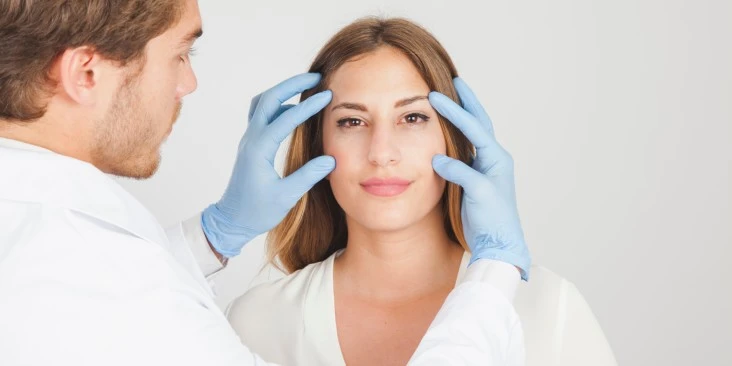
Occasional small white spots on face are often nothing to worry about. But if the patches spread, change in size, or come with other symptoms like itching, pain, or scaling, it’s worth booking a dermatologist appointment.
Nutrient gaps can play a role, so Best Vitamins for Skin Health helps explain common skin pigmentation issues and their treatments.
Final Thoughts
White spots on the skin can arise from many different causes some temporary, others more persistent. The good news is that most are harmless and treatable with the right approach. Whether it’s a simple fungal infection, a bit of sun damage, or a more chronic condition like vitiligo, professional guidance can help you find the most effective treatment and ease your worries.
References
- American Academy of Dermatology. Vitiligo and White Patches on Skin. – American Academy of Dermatology
- Cleveland Clinic. White Spots on Skin: Causes and Treatment. – Cleveland Clinic
Frequently asked questions
Are white spots on the skin dangerous?
Most white spots are harmless. However, it's best to see a doctor if they spread or change.
Are white patches contagious?
No, most causes of white spots, including vitiligo and pityriasis alba, are not contagious. Some fungal infections can spread but are easily treatable.
What causes white spots on the skin?
Common causes include fungal infections, eczema, sun damage, vitamin deficiencies, and conditions like Vitiligo.
Can vitamin deficiency cause white spots?
Yes, low levels of vitamin D, vitamin E, or calcium may sometimes affect skin pigmentation.