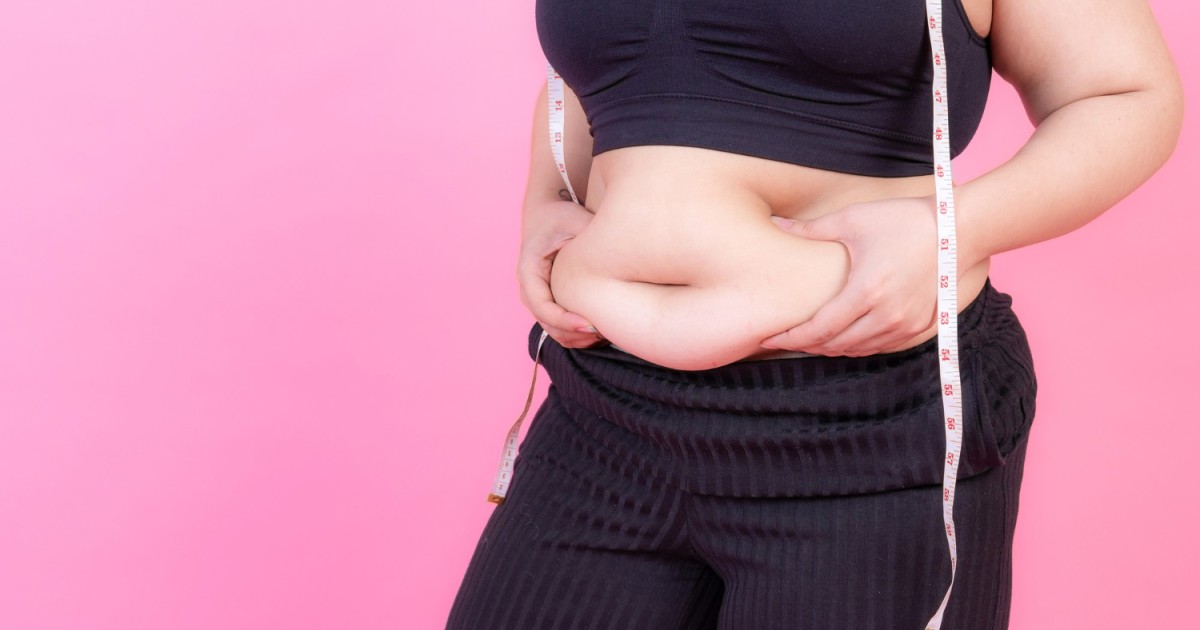
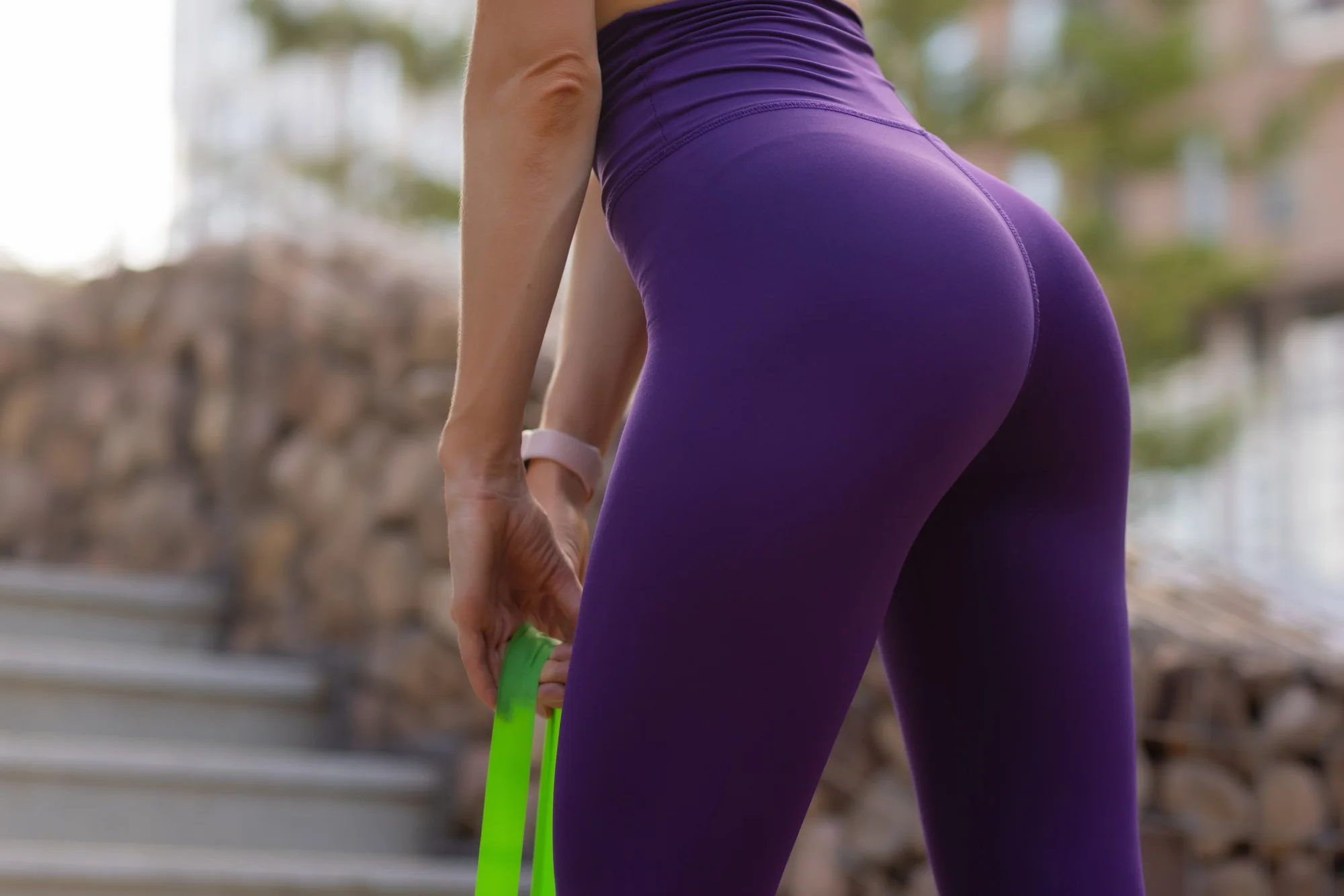
Ozempic butt and face is a popular term used to describe changes in the appearance of the buttocks and face after weight loss, especially in people using medications like Ozempic, Wegovy, or other GLP-1 drugs. It is not a medical condition, but rather a cosmetic effect linked to rapid or significant weight loss.
What Is Ozempic Butt?
It refers to a loss of fullness, firmness, or lift in the buttocks, sometimes it comes with sagging or wrinkled skin. The term Ozempic means changes that happen when you lose fat from your body part and it can also be related to surgery or illness.
What Causes Ozempic-Butt?
Well it comes with weight loss because it basically means change in the appearance of body parts because of weight loss. There are many causes which can also be the reason behind Ozempic butt. Let’s understand it:
1. Fat Loss
The buttocks contain a large amount of fat. When the body loses weight quickly, fat is often lost from this area, leading to a flatter appearance.
2. Muscle Loss
Weight loss, especially when protein intake is low or strength training is not included, can lead to loss of muscle mass. Reduced glute muscle can make the buttocks look less firm.
3. Skin Elasticity
Skin does not always tighten immediately after fat loss. Factors such as age, genetics, sun damage, and smoking can affect how well skin adapts to body changes.
4. Speed of Weight Loss
Faster weight loss gives the skin less time to adjust, increasing the chance of sagging.
Common Symptoms
People may notice:
- A flatter or deflated appearance
- Sagging skin
- Wrinkles or loose skin
- Reduced firmness or shape
These changes are cosmetic and not harmful to health.


Consult a dietary specialist
How to fix Ozempic Butt
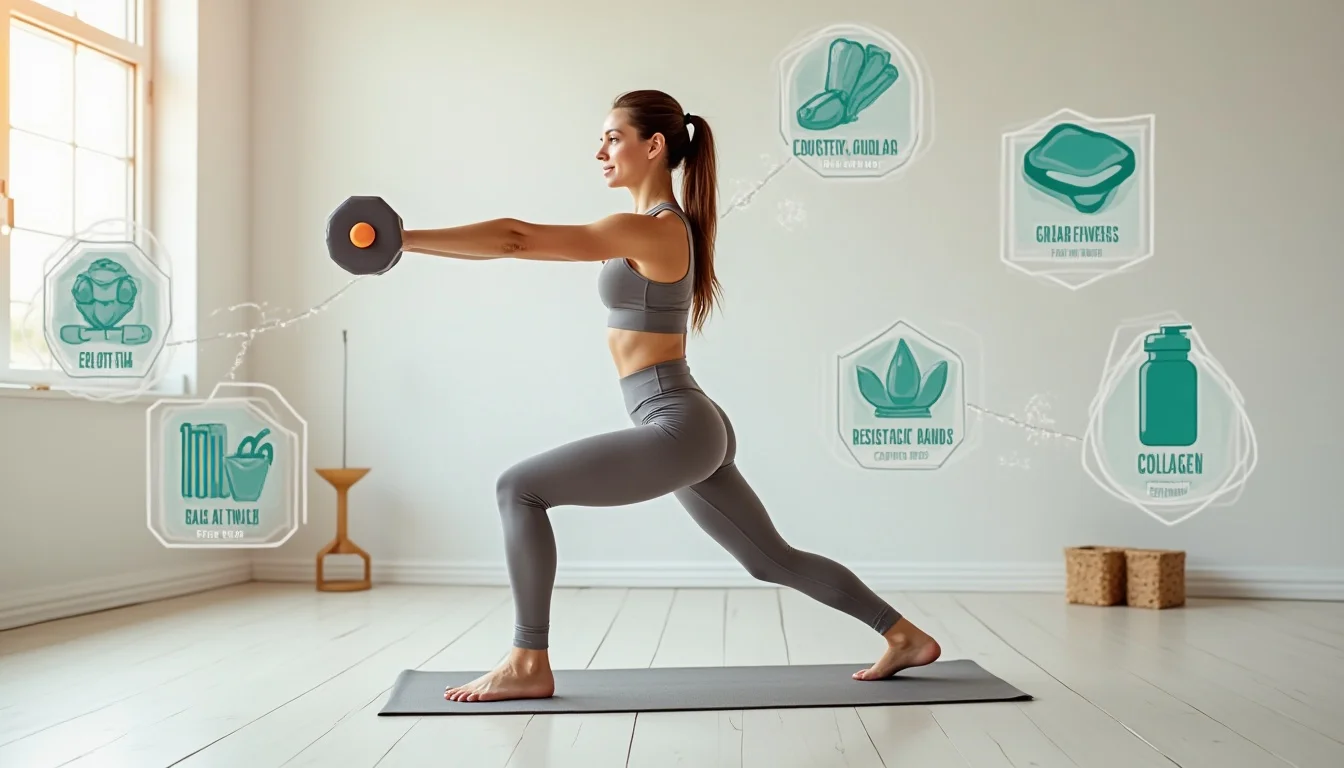
1. Strength Training
Building or maintaining glute muscle is the most effective natural way to improve appearance. Exercises such as squats, lunges, hip thrusts, and deadlifts can help restore firmness and shape.
2. Adequate Protein Intake
Eating enough protein helps preserve muscle during weight loss. This is especially important for people using appetite-suppressing medications.
3. Gradual Weight Loss
When possible, slower weight loss allows skin to adapt more naturally. This may involve adjusting medication dosage under medical supervision.
4. Skin Care and Hydration
While creams and lotions cannot replace lost volume, staying hydrated and using moisturizers may improve skin texture.
5. Medical or Cosmetic Treatments
Some people choose cosmetic options such as collagen-stimulating injections, skin-tightening procedures, or fat transfer. These should always be discussed with qualified healthcare professionals.
Will Ozempic-Butt Go Away?
In many cases, some improvement happens over time, especially once weight stabilizes and muscle is rebuilt. Results vary depending on age, genetics, and lifestyle factors.
References
- How To Avoid 'Ozempic Butt' – Cleveland Clinic · source
- Can Ozempic Cause You To Lose Muscle? – Cleveland Clinic · source
- Once-Weekly Semaglutide in Adults with Overweight or Obesity (STEP 1) – New England Journal of Medicine · source
- Impact of Semaglutide on fat mass, lean mass and muscle function in patients with obesity: The SEMALEAN study – Diabetes, Obesity and Metabolism · source
- Wegovy (semaglutide) Highlights of Prescribing Information – U.S. Food and Drug Administration · source
Frequently asked questions
How can I avoid Ozempic butt?
You can't fully prevent body-shape changes if you lose a lot of weight, but you can reduce them. Aim for gradual weight loss of about 1 to 2 pounds a week, eat enough protein, stay hydrated, and do strength training to preserve glute muscle. Talk to your doctor before adjusting any medication dose.
How can I get my butt back after losing weight naturally?
Focus on resistance exercises that build the glutes, such as squats, hip thrusts, lunges, and deadlifts, and eat enough protein to support muscle growth. Results take time and vary with age, genetics, and how consistent you are.
What is 'Ozempic leg'?
'Ozempic leg' is a non-medical slang term for reduced muscle or a thinner, weaker-feeling appearance in the legs after rapid weight loss. Like 'Ozempic butt,' it reflects fat and muscle loss that comes with losing weight, not a direct side effect of the drug.
Does Ozempic butt go away?
It often improves over time once your weight stabilizes and you rebuild muscle through strength training and adequate protein. How much it improves depends on age, genetics, skin elasticity, and how much weight was lost. Loose skin does not always tighten fully on its own.
Is Ozempic butt caused by the medication itself?
No. Cleveland Clinic experts note the changes come from weight loss in general, not directly from Ozempic, Wegovy, or other GLP-1 drugs. Losing weight quickly reduces both fat and muscle and gives skin less time to adapt, which can flatten or sag the buttocks.
Is the loose or sagging skin from Ozempic butt harmful?
No. These changes are cosmetic and not harmful to your health. If loose skin bothers you, a doctor or board-certified plastic surgeon can discuss options such as skin-tightening procedures or fat transfer. See a healthcare provider if you notice unusual weakness or rapid muscle loss.