Berberine and Ceylon Cinnamon Benefits for Blood Sugar, Weight Loss & Heart Health

Nowadays natural remedies are gaining popularity for their properties and the two most talked about natural compounds are berberine and Ceylon cinnamon. Both are well known for their beneficial properties of regulating blood sugar level, managing weight and heart health. But how do they actually work? And are they effective alone or better together? Let’s break it down in a clear, practical way.
What Is Berberine?
Berberine is a bioactive compound found in plants like Berberis vulgaris (barberry), Hydrastis canadensis, and Oregon grape. It has been used in traditional medicine for centuries and is now widely researched for metabolic support.
How Berberine Works
Berberine activates an enzyme called AMP-activated protein kinase (AMPK). This enzyme acts like a metabolic master switch that helps:
- Improve insulin sensitivity
- Lower blood sugar production in the liver
- Support fat metabolism
- Improve cholesterol processing
Because of this, berberine is sometimes compared to Metformin, though it is not a replacement for prescription treatment.
What Is Ceylon Cinnamon?
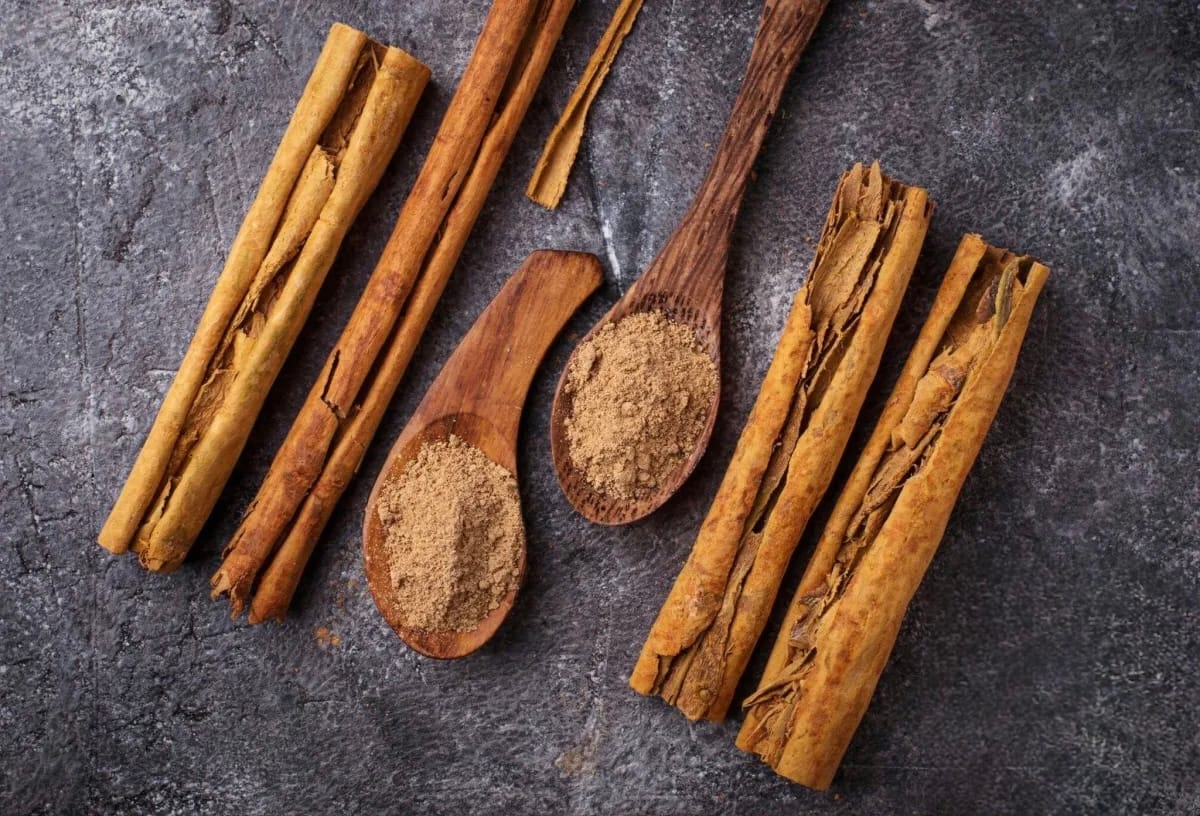
Not all cinnamon is the same. Cinnamomum verum, known as Ceylon cinnamon or “true cinnamon,” differs from the more common Cassia cinnamon.
Ceylon cinnamon contains lower levels of coumarin, a compound that can be harmful to the liver in high amounts. This makes it the preferred choice for long-term supplementation.
Benefits for Blood Sugar
Berberine and Blood Sugar
Research suggests berberine may:
- Reduce fasting blood glucose
- Lower HbA1c levels
- Improve insulin sensitivity
- Reduce glucose production in the liver
It is one of the most studied natural compounds for blood sugar control.
Ceylon Cinnamon and Blood Sugar
Ceylon cinnamon may help:
- Improve insulin signaling
- Slow carbohydrate digestion
- Reduce post-meal blood sugar spikes
Its effects are generally milder than berberine but still beneficial for people with insulin resistance or prediabetes.
Together for Blood Sugar Support
Berberine works primarily at the cellular and liver level. Ceylon cinnamon helps with insulin response and digestion.
Because they act through different mechanisms, they may complement each other when used responsibly.
Benefits for Weight Loss
Berberine
Berberine may support weight loss by:
- Improving insulin resistance
- Reducing fat storage
- Supporting fat breakdown
- Regulating metabolism
It tends to work best in people with metabolic syndrome or high insulin levels.
Ceylon Cinnamon
Ceylon cinnamon may:
- Help control appetite
- Reduce sugar cravings
- Stabilize blood sugar swings that trigger hunger
On its own, cinnamon is unlikely to cause major weight loss, but it can support a balanced diet.
Benefits for Heart Health
Berberine and Heart Health
Studies suggest berberine may:
- Lower LDL (“bad”) cholesterol
- Reduce triglycerides
- Slightly raise HDL (“good”) cholesterol
- Support healthy blood pressure
It appears to improve how the liver clears cholesterol from the bloodstream.
Ceylon Cinnamon and Heart Health
Ceylon cinnamon may:
- Reduce inflammation
- Provide antioxidant support
- Slightly improve cholesterol markers
Its cardiovascular benefits are considered supportive rather than dramatic.


Consult a endocrinologist
Which One Is Stronger?
For blood sugar control and metabolic syndrome, berberine is generally more potent.
Ceylon cinnamon works more gently and may be better suited for:
- Mild blood sugar support
- Long-term dietary use
- Preventative health routines
Many people choose to combine both for a broader approach.
Typical Dosage
Berberine:
- 500 mg, 2-3 times daily
- Taken with meals
Ceylon Cinnamon:
- 1-2 grams per day (powder or capsules)
- Can be taken with meals
Always start low and consult a healthcare provider, especially if you take medications for diabetes or blood pressure.
Safety Considerations
Berberine
- May cause digestive upset
- Can lower blood sugar significantly
- May interact with medications
Ceylon Cinnamon
- Generally well tolerated
- Safer than Cassia cinnamon for long-term use
- Large amounts should still be avoided
Neither supplement should replace prescribed medication without medical supervision.
Final Thoughts
Berberine and Ceylon cinnamon both offer promising support for blood sugar regulation, weight management and heart health. Berberine tends to have stronger metabolic effects, while Ceylon cinnamon provides gentler, supportive benefits. When combined with a healthy diet, exercise, and proper medical guidance, they may be valuable tools for improving metabolic health but they are not miracle cures.
References
- National Center for Complementary and Integrative Health (NCCIH). Cinnamon. – NCCIH / NIH
- NCBI / PMC. Berberine and Metabolic Health: A Review. – NCBI / PMC
Frequently asked questions
What are the benefits of berberine and Ceylon cinnamon together?
Both may modestly support healthy blood sugar and metabolism. Berberine has stronger evidence for lowering blood glucose, while Ceylon cinnamon may have a mild effect. They're sometimes combined, but talk to your doctor first, especially if you take diabetes medication.
Does berberine really lower blood sugar?
Some studies suggest berberine can lower fasting blood sugar and HbA1c, with effects compared to certain diabetes drugs in small trials. Evidence quality is mixed, and it isn't a replacement for prescribed treatment.
Is Ceylon cinnamon better than regular cinnamon?
Ceylon ('true') cinnamon contains much less coumarin than common cassia cinnamon, so it's considered safer for regular use. Its blood-sugar effect is modest at best.
Are there side effects or risks?
Berberine can cause digestive upset and may interact with many medications; it should be avoided in pregnancy and breastfeeding. High-dose cassia cinnamon's coumarin can harm the liver. Check with a healthcare provider before starting.
Can I take these instead of my diabetes medication?
No. Neither is a proven substitute for prescribed diabetes medication. Never stop or change prescribed treatment without your doctor's guidance.