A low residue diet is a temporary eating plan that limits foods that leave a lot of material behind in the digestive tract. It means eating foods that are easier for your digestive system to handle and cutting back on foods that add a lot of fiber or other undigested material to your stool.
Low-fiber diet term is often used in place of low-residue diet wrongly. The two are very similar, although they are not exactly the same. A doctor or dietitian may suggest this diet if you have certain bowel problems, are recovering from bowel surgery, have a narrowing in the intestine, or need to prepare for a bowel procedure.
It is usually meant for a short period of time. It is not a general weight-loss diet, and it is not a diet that everyone with digestive problems needs.
What is a low residue diet?
The word “residue” refers to material that remains in the digestive tract after food has been digested and absorbed. Fiber is one important part of this. Fiber is found mainly in plant foods such as fruits, vegetables, whole grains, nuts, seeds, beans and lentils.
Your body does not completely digest fiber. This is normally a good thing. Fiber helps support regular bowel movements and overall digestive health. But sometimes your healthcare provider may want you to temporarily reduce the amount of fiber and other hard-to-digest food in your diet. A low-residue diet usually includes foods such as:
White bread
White rice
Refined pasta
Eggs
Tender chicken or fish
Peeled or canned fruits
Well-cooked vegetables without skins or seeds
Milk or yogurt if tolerated
Smooth sauces and spreads
It generally limits:
Whole grains
Bran
Nuts and seeds
Popcorn
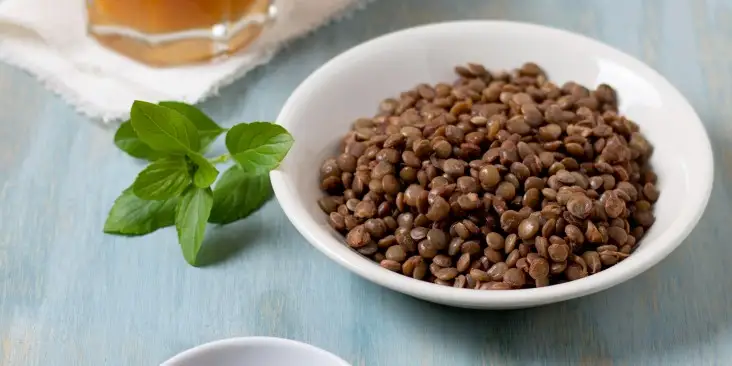
Beans and lentils
Raw vegetables
Fruit skins and seeds
Dried fruits
Tough meats
Exact recommendations can differ depending on why you have been prescribed the diet.
Low-Residue Diet vs Low-Fiber Diet
Feature |
Low-Residue Diet |
Low-Fiber Diet |
Meaning |
Limits foods that leave more undigested material or increase stool bulk in the digestive tract |
Specifically limits dietary fiber intake |
Main goal |
Reduce stool volume and the amount of material passing through the bowel |
Reduce fiber intake to make digestion and bowel movements easier |
Fiber |
Usually low in fiber, but the diet may also restrict some foods beyond fiber content |
Focuses mainly on reducing dietary fiber |
Foods commonly limited |
Whole grains, nuts, seeds, legumes, fruit skins, vegetable skins, raw vegetables, popcorn |
Whole grains, bran, nuts, seeds, legumes, high-fiber fruits and vegetables |
Foods commonly included |
White rice, refined bread, eggs, tender meat, fish, peeled fruits and well-cooked vegetables |
White rice, refined bread, eggs, meat, fish, peeled or canned fruits and cooked vegetables |
When used |
May be recommended around certain bowel procedures, after some bowel surgeries, or for selected bowel conditions |
May be recommended for similar situations, including temporary symptom management |
How long? |
Usually temporary and based on the person's medical needs |
Usually temporary unless a healthcare professional recommends otherwise |
Scientific definition |
The term “residue” is less clearly defined and does not have a precise measurement |
Fiber is a measurable component of food, making the term more specific |
Summary |
Broader concept that aims to reduce intestinal residue |
More specifically focused on reducing fiber intake |
Why might your doctor recommend a low residue diet?
A low-residue or low-fiber diet may be recommended in situations where reducing stool bulk or undigested material could make symptoms easier to manage.
1. Bowel narrowing or stricture
People with inflammatory bowel disease, especially Crohn's disease, can sometimes develop a narrowed area in the intestine called a stricture. If the bowel is narrowed, bulky foods may be harder to pass.
In this situation, a healthcare team may recommend a low-residue diet to reduce the amount of undigested material passing through the narrowed area. In a few cases a low-residue diet may be recommended for people with IBD who have stenosis or strictures.
This is an important situation where you should not create your own restrictive diet. Your doctor or dietitian should guide you.
2. Some inflammatory bowel disease symptoms
Some people with Crohn's disease or ulcerative colitis may be advised to temporarily reduce fiber during an active flare. The goal is usually symptom control.
It may help reduce stool volume or make bowel movements easier to manage for some people. But a low-residue diet does not cure Crohn's disease or ulcerative colitis. And research has not shown that everyone with IBD benefits from long-term fiber restriction.
3. Before certain procedures
A low-fiber or low-residue diet may be used before a colonoscopy or other bowel procedure. The goal is to reduce material left inside the bowel so that the doctor can get a clearer view. Your doctor will tell you exactly what to eat and when to stop eating certain foods.
4. After bowel surgery
Some people are given a low-residue diet while their digestive system is recovering after bowel surgery. The exact diet depends on the type of surgery and how well your digestive system is working. You may gradually return to a more normal diet as your doctor advises.
What can you eat on a low residue diet?
Food choices can feel quite limited at first. But you can still make reasonably balanced meals.
Grains and cereals
Usually allowed
White bread
White toast
Plain crackers
White rice
Refined pasta
Plain noodles
Rice cereal
Cornflakes without nuts, seeds or dried fruit
Refined flour products
Usually avoided
Whole-wheat bread
Multigrain bread
Bran cereal
Brown rice
Wild rice
Whole-wheat pasta
Granola
Muesli containing nuts or seeds
Popcorn
Cereals containing dried fruit
The main point is to choose refined grains instead of whole grains while you are following the diet.
Fruits
Fruit can still be included, but preparation matters.
Better choices may include:
Ripe banana
Canned peaches
Canned pears
Peeled apples or applesauce
Seedless melon
Peeled ripe peach
Fruit juice without pulp
Remove the skin, seeds and tough parts when advised.
Usually avoided:
Berries with seeds
Dried fruit
Prunes
Raisins
Fruit with tough skin
Fruit containing many seeds
Coconut
Fruit juice containing pulp
For example, an apple with its skin may be too high in fiber for a strict low-residue diet. Applesauce may be a better choice.
Vegetables
Vegetables are one area where preparation makes a big difference. Instead of raw vegetables, choose vegetables that are well cooked, soft and without skin or seeds. Possible choices include:
Cooked carrots
Peeled potatoes
Pumpkin without seeds
Well-cooked zucchini without seeds
Strained vegetable soups
Pureed vegetables
Canned vegetables that are suitable for your diet
You may need to avoid:
Raw salads
Corn
Broccoli
Cauliflower
Cabbage
Brussels sprouts
Raw leafy vegetables
Vegetable skins
Vegetable seeds
Peas and other legumes
Protein foods
Protein is important, especially if you are recovering from illness or surgery. Generally suitable options include:
Eggs
Chicken
Turkey
Tender beef
Tender pork
Fish
Tofu, if tolerated
Choose meat that is soft and tender. Avoid tough cuts of meat, gristle and heavily processed meats. Cooking methods such as boiling, poaching, steaming or slow cooking can help make food softer.
Dairy products
Dairy is a little different. Some people can comfortably eat:
Milk
Yogurt
Cheese
Cottage cheese
Kefir
But dairy may worsen diarrhea, bloating or abdominal discomfort in some people. Also avoid dairy products that contain nuts, seeds, berries or large pieces of fruit when you are following a strict low-residue plan. If milk usually gives you diarrhea, don't force yourself to drink it just because it appears on a food list
Foods to avoid on a low residue diet
A quick way to remember the common restrictions is:
Avoid foods with lots of fiber, seeds, skins, tough texture or large amounts of undigested plant material.
Common foods to limit or avoid include:
Whole grains
Bran
Brown rice
Whole-wheat pasta
Nuts
Seeds
Popcorn
Beans
Chickpeas
Lentils
Raw vegetables
Dried fruit
Berries with seeds
Fruit skins
Vegetable skins
Corn
Tough meat
Coconut
Pickles containing seeds or vegetable pieces
Sample low residue diet meal plan
Here is a simple example.
Breakfast
2 slices white toast
1 scrambled egg
1 small ripe banana
Milk or tea, if tolerated
Mid-morning snack
Applesauce
Plain crackers
Lunch
White rice
Soft grilled or boiled chicken
Well-cooked peeled carrots
Yogurt, if tolerated
Evening snack
Plain biscuits
Tea or another tolerated drink
Dinner
White pasta or white rice
Baked fish
Mashed peeled potato
Small serving of well-cooked vegetables
Before bed
Milk, if tolerated
NOTE: This is only an example. Your meal plan may need to be changed if you have diabetes, kidney disease, food allergies, lactose intolerance, an intestinal stricture or another medical condition.
How much fiber should you eat when on a low residue diet ?
There is no single universally accepted definition of a “low-residue” diet.
Some studies suggest using 10 to 15 grams of fiber per day as a practical target, while some research has used lower amounts. It is best to follow the specific target given by your doctor or dietitian. Do not assume that eating zero fiber is better.
Your body normally needs fiber. It helps with bowel regularity and supports a healthy diet. The goal of a temporary low-residue diet is to reduce fiber and residue when there is a medical reason to do so.


Consult a dietary specialist
Is a low residue diet healthy?
It can be useful for a specific medical reason. But it is not designed to be a permanent healthy eating pattern for most people. A strict low-residue diet cuts out many foods that normally provide:
Fiber
Vitamins
Minerals
Antioxidants
Plant compounds
Other nutrients
Whole grains, fruits, vegetables, nuts, seeds and legumes are important parts of a normal balanced diet.
If you stay on a restrictive diet for a long time, you may struggle to get enough nutrients or calories. Some people may need nutritional supplements, but these should be discussed with a healthcare professional.
What are the possible side effects of a low residue diet?
A low-residue diet is usually well tolerated when used for the right reason and for the recommended period. Possible problems include:
Constipation
Fiber helps keep bowel movements regular. Cutting fiber too much can make stools harder in some people.
Nutritional deficiencies
A highly restrictive diet may provide less of certain vitamins and minerals.
Weight loss
If you are eating much less because your food choices feel limited, you may lose weight unintentionally.
Boredom with food
Eating white rice, toast, eggs and a small range of cooked foods every day can become difficult.
Lack of variety
This may be a problem if you need to follow the diet for several weeks. If you are losing weight, feeling weak, or struggling to eat enough, tell your healthcare provider.
How long should you follow a low residue diet?
There is no standard duration for everyone. It depends on why you are following it.
For example, someone preparing for a colonoscopy may follow a low-fiber plan for only a short period. Someone recovering from bowel surgery may need dietary restrictions for longer.
A person with a bowel stricture may receive longer-term dietary advice. Your doctor or dietitian should tell you when to start adding more fiber back into your meals. Do not stay on a restrictive diet indefinitely simply because it seems to reduce symptoms.
How do you return to a normal diet?
Once your healthcare provider says it is safe, you can gradually increase the variety and fiber in your diet. You don't have to go from white rice and peeled vegetables to a huge bowl of raw salad overnight. Instead, try adding one food at a time.
For example:
Step 1: Add a small serving of a well-cooked vegetable.
Step 2: Try a peeled fresh fruit.
Step 3: Add a little more variety to your meals.
Step 4: Slowly return to whole grains or other higher-fiber foods if your healthcare team says they are suitable.
Pay attention to your symptoms. If a particular food causes problems, make a note of it and discuss it with your healthcare provider.
Low residue diet for Crohn's disease
A low-residue diet may be useful for some people with Crohn's disease, especially when there is a symptomatic narrowing of the bowel. But it is not a treatment for Crohn's disease itself.
Research has found limited evidence that a low-residue diet improves long-term outcomes in Crohn's disease. One randomized study found no meaningful difference between a low-residue and regular diet in several clinical outcomes. Recent reviews continue to describe the evidence as limited.
So if you have Crohn's disease, don't automatically remove all fruits, vegetables and whole grains from your diet. Your symptoms, disease activity and presence or absence of a stricture all matter.
Low residue diet for ulcerative colitis
Some people with ulcerative colitis may find a temporary reduction in fiber helpful during a flare, particularly when diarrhea and frequent bowel movements are severe. But the diet does not treat the inflammation causing ulcerative colitis.
Once symptoms improve, your healthcare provider may recommend gradually returning to a broader diet.
Low residue diet vs clear liquid diet
Often people confuse between a clear liquid and low residue diet. Here are the main differences between the two:
Feature |
Low-Residue Diet |
Clear Liquid Diet |
What it means |
A diet that limits fiber and foods that leave more undigested material in the bowel |
A diet that includes only liquids you can see through or that leave very little residue |
Main goal |
Reduce stool bulk and make food easier to pass through the digestive tract |
Keep the digestive tract as empty as possible while providing fluids and some energy |
Food texture |
Allows solid foods |
No solid foods |
Typical foods |
White rice, white bread, eggs, tender chicken, fish, peeled fruits, well-cooked vegetables |
Water, clear broth, pulp-free apple juice, clear tea or coffee, clear gelatin, electrolyte drinks |
Fiber |
Low in fiber |
Usually contains little to no fiber |
Protein |
Can provide a reasonable amount of protein through eggs, fish and lean meat |
Usually provides very little protein |
How long it is used |
Often used for a short period, depending on the medical reason |
Usually used for a very short period |
Common uses |
Certain bowel conditions, bowel narrowing, recovery after some bowel procedures or surgeries |
Before some medical procedures, during certain illnesses, or when solid foods need to be temporarily avoided |
Does it provide complete nutrition? |
Can be nutritionally adequate when properly planned |
No. It is not nutritionally complete and should not usually be followed for long |
Can you eat rice? |
Yes, white rice is generally allowed |
No |
Can you eat eggs? |
Usually yes |
No |
Can you eat chicken or fish? |
Usually yes, if tender and appropriately prepared |
No |
Can you drink juice? |
Some juices may be allowed depending on fiber and pulp |
Only clear, pulp-free juice |
Medical supervision |
Follow your doctor's or dietitian's instructions, especially if used for a medical condition |
Follow specific medical instructions, particularly before a procedure |
Tips to make the low residue diet easier
A few small changes can make meals much easier.
1. Read food labels
Look at the fiber content per serving. Some low-fiber diet plans recommend choosing foods containing less than about 2 grams of fiber per serving, unless your healthcare provider gives you a different target.
2. Peel fruits and vegetables
The skin can contain a significant amount of fiber. Peeling and cooking can make certain foods easier to tolerate.
3. Cook vegetables well
Soft vegetables are generally easier to handle than raw, crunchy vegetables.
4. Chew food properly
Take your time while eating. This is particularly important if you have been advised to follow a low-residue diet because of a bowel narrowing.
5. Drink enough fluids
Unless you have been told to restrict fluids, stay hydrated.
6. Don't assume every food affects everyone the same way
Two people can eat the same food and have very different symptoms. Food tolerance matters.
7. Keep meals simple
You don't need complicated recipes. Rice, eggs, tender chicken, fish, peeled potatoes, cooked carrots and suitable fruits can form the base of several simple meals.
When should you talk to your doctor?
Talk to your doctor before starting a low-residue diet if you have a diagnosed digestive condition. You should especially ask for medical advice if you have:
Severe abdominal pain
Persistent vomiting
A swollen or distended abdomen
Inability to pass stool or gas
Blood in your stool
Rapid or unexplained weight loss
Persistent diarrhea
Known bowel narrowing or obstruction
Recent bowel surgery
A suspected bowel obstruction needs medical assessment. Do not try to manage it with a diet found online.
References
- Vanhauwaert E, Matthys C, Verdonck L, De Preter V. Low-residue and low-fiber diets in gastrointestinal disease management. Advances in Nutrition. · source
Frequently asked questions
Can I follow a low residue diet for weight loss?
No. This diet is designed for specific medical situations, not weight loss.
Can I eat chicken when I follow a low residue diet?
Yes. Tender, well-cooked chicken without tough connective tissue is usually suitable.