
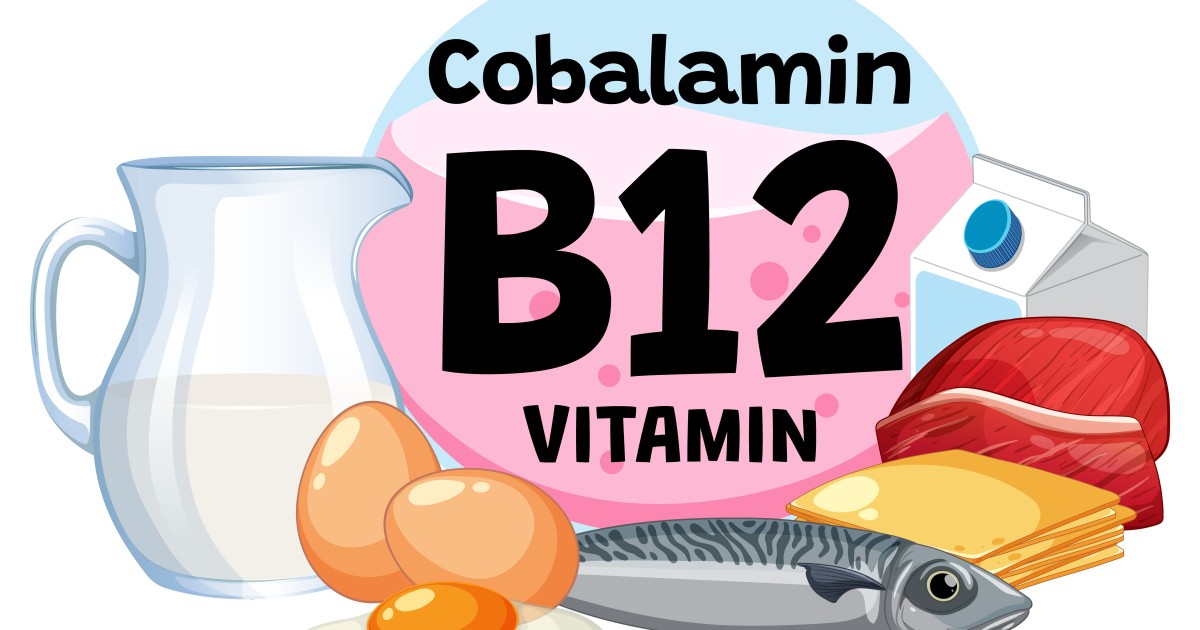
Vitamin B12 is highly necessary for the body. It produces red blood cells, prevents cognitive disabilities, ensures DNA production, and creates energy. Although vitamin B12 is needed in small amounts, its insufficiency may lead to serious problems.
What Is Vitamin B12?
Vitamin B12, also referred to as cobalamin, is a kind of vitamin that dissolves in water and helps the body accomplish various important activities. Vitamin B12, along with folic acid, plays an important role in the process of making red blood cells and supporting the nervous system.
As the body cannot make vitamins by itself, it must obtain them from food sources. It can naturally be found in the following sources:
Meat
Fish
Eggs
Milk
Cheese
Yogurt
Fortified cereals
The Most Notable Benefits of B12
B12 has numerous benefits in terms of health. Below are some noteworthy advantages.
1. Aids in the formation of red blood cells
One of the primary benefits of things about B12 is its role in enhancing the production of healthy red blood cells. Moreover, red blood cells carry oxygen from the lungs to different areas of the body. In case of deficiency, the body will produce dysfunctional red blood cells that fail to transport sufficient oxygen. Inadequate blood supply may result in symptoms of anemia such as:
Tiredness
Weakness
Dizziness
Shortness of breath
Adequate B12 intake ensures a healthy blood supply.
2. Increases Energy Levels
The first reason why people take vitamin B12 is that they want more energy. Vitamin B12 assists your body in converting your food into energy. A deficiency may lead to:
Fatigue
Weakness
Lack of energy
Problems with concentration
Although it does not provide energy directly, it plays an important role in energy production.
3. Maintains Brain Health
Vital for brain health, as it is associated with maintaining nerve cells and assuring communication of the brain with the body. Adequate vitamin B12 levels can lead to:
Memory retention
Better focus
Mental discipline
Low levels of vitamin are correlated with problems in remembering information.
4. Maintains Health of the Nervous System
Another outstanding benefit of vitamin B12 is its ability to protect the nerves.
Vitamin B12 is involved in the formation of myelin, a protective sheath that surrounds the nerves and enables them to receive and transmit signals throughout the body adequately. There is a risk of the development of such symptoms as
Tingling sensations in the arms and legs
Numbness
Lack of strength in the muscles
Problems with balance
So, vitamin B12 is one of the vitamins that help preserve the state of the nervous system.
5. Promotes Cardiovascular Health
Vitamin B12 has a function of the regulation of homocysteine in the blood. The greater the level of homocysteine, the higher the possibility of heart disease. Vitamin B12, together with vitamin B6 and folic acid, provides normal levels of homocysteine in blood circulation and good heart conditions. Keeping healthy with the aid of exercises and healthy food makes a huge contribution.
6. Prevents Anemia
Deficiency may cause megaloblastic anemia. The signs of anemia can be:
Fatigue
Lack of force
Paleness of the skin
Shortness of breath
Dizziness
By taking enough, the body can create healthy red blood cells and avoid anemia.
7. Supports Healthy Pregnancy
Vitamin B12 is essential for healthy pregnancy since it contributes to the baby's brain and nervous system development. Lack of vitamin B12 during pregnancy may pose some higher complication risks.
Pregnant women must consult with their doctor on how to benefit from food or supplements.
8. Enhances Mood and Mental Health
Vitamin B12 contributes to the production of certain substances that affect mood. Low vitamin B12 levels are associated with:
Mood alterations
Irritability
Stress
Anxiety
Even though vitamin B12 is not a cure for mental issues, its levels should always be normal to help people improve their emotional health.
9. Promotes Healthy Skin, Hair, and Nails
B12 offers a number of hidden benefits, including that of keeping skin, hair, and nails healthy. facilitates cell development, which is responsible for the following:
Healthy skin
Strong nails
Healthy hair
If someone does not get enough B12, then skin problems and weak nails may occur.
10. Promotes DNA Formation
DNA is responsible for holding genetic information in all cells. Vitamin B12 is crucial for DNA formation and cell production. Without a sufficient quantity of cells, the body cannot function properly.
Vitamin B12 Deficiency Symptoms
It is possible for individuals to suffer from a vitamin B12 deficiency without even knowing it. Some of the most common symptoms include:
Always feeling tired
Feeling weak
Pale-colored skin
Frequent headaches
Feeling dizzy
Numbness in the arms and legs
Problems with memory
Difficulty focusing
Changes in mood
Experiencing breath shortness
If you have any of these symptoms, you should visit a doctor.
Which Individuals Are Likely to Experience Vitamin B12 Deficiency?
Some individuals are more susceptible to vitamin B12 deficiency, such as:
Vegetarians
Vegans
Senior citizens
Pregnant women
Individuals with digestive disorders
Individuals who have had stomach surgery
They may have to take supplements or consume fortified foods.
Best Food Sources of Vitamin B12
The easiest way to get it is through food.
Here are some excellent sources:
Food |
Vitamin B12 Content |
Beef |
High |
Fish |
High |
Chicken |
Moderate |
Eggs |
Moderate |
Milk |
Moderate |
Cheese |
Moderate |
Yogurt |
Moderate |
Fortified cereals |
Good |
Those on plant-based diets should look into fortified foods or supplements.
How Much Vitamin B12 Do You Need?
The daily requirement changes with age.
For adults
An amount of about 2.4 micrograms a day is recommended.
For pregnant women
About 2.6 micrograms a day is required.
For women who are breastfeeding
About 2.8 micrograms a day is needed.
But for children
A smaller requirement will be for them.
One should speak to a doctor before taking any high-dose supplements.


Consult a dietary specialist
Are Vitamin B12 Supplements Safe?
Yes, vitamin B12 supplements are available in several formulations:
Tablets
Capsules
Gummies
Liquid supplements
Injectable supplements
These are usually prescribed to people who do not consume enough vitamin through food. It is recommended that you take medical advice before taking any supplements.
What Will Happen if the Levels of Vitamin B12 in Your Body Are High?
Vitamin B12 is regarded as safe because excessive amounts are removed from the body through urine. However, when very high doses are taken, it is possible to experience the following:
Headaches
Nausea
Skin reactions
Gastrointestinal problems
It is important to follow the indicated doses.
Ways to Ensure a Healthy Level of Vitamin B12 in Your Body
Here are some tips you can easily follow:
Eat a well-balanced diet.
Include milk products and eggs.
Eat fish and meat.
Go for cereals with the addition of vitamin B12.
Undergo health examinations regularly.
Use the supplements if recommended by the doctor.
What Doctors Say About Vitamin B12
Doctors believe that vitamin B12 is among the vital vitamins required for good health. Medical professionals recommend that individuals with symptoms such as fatigue, tiredness, or numbness be tested for deficiency.
Doctors usually advise the following:
Eat a well-balanced diet
Incorporate food items rich in vitamin B12
Avoid taking the overdose of vitamin B12
People over the age of 50, pregnant women, vegetarians, and those with weak digestive systems must discuss their consumption with their doctors.
Who Is at Greater Risk of Vitamin B12 Deficiency?
You may be more likely to suffer from a deficiency in vitamin B12 if you:
Are you vegetarian or vegan
Are older than 50
Are pregnant
Are breastfeeding
Have a digestive disorder
Have just had stomach surgery
Regular check-ups can help identify deficiencies early.
Can You Take Too Much Vitamin B12?
Vitamin B12 is considered safe for use because the body is able to excrete excess amounts in the urine.
Nevertheless, in extremely high doses, vitamin B12 can cause
Nausea
Headaches
Dizziness
Digestive discomfort
Always adhere to your doctor’s advice.
Can Vitamin B12 help with weight loss?
While vitamin B12 is not a fat-burning substance, it influences numerous processes in the body that help in keeping a normal weight.
One of the examples of beneficial actions of vitamin B12 is its ability to help the body process food and produce energy. You might feel sluggish and less eager to go out for a workout if you do not get enough.
If your vitamin B12 levels are normal, you will be able to enjoy benefits like
Higher level of energy
Better metabolic processes
Lower degree of fatigue
Improved capacity for exercises
Each of these factors can help you achieve your weight loss objectives.
Vitamin B12’s Role in the Metabolic Process
Metabolism refers to the way the body uses food to generate energy, and vitamin B12 is important in this regard. Metabolism includes breaking down macronutrients, such as
Carbohydrates
Proteins
Fats
When a person has a healthy metabolism, he or she will be able to efficiently use nutrients and produce energy throughout the day.
While vitamin B12 may not speed up metabolism, insufficient may impair the metabolic process.
Vitamin B12 and Its Relation With Energy Levels
Vitamin B12 is a weight loss factor because it plays a role in energy production.
Deficiency may make people feel:
Extremely tired
Weak
Fatigued
Unmotivated
With more energy, it becomes easier for people to exercise:
Walk
Be active
Lead a healthy life
Physical activity is crucial for weight loss.
Can B12 Injections Assist You in Weight Loss?
B12 injection therapy has gained attention from many weight loss programs; however, research shows that B12 shots are effective for individuals suffering from deficiency.
If your vitamin B12 levels are normal, additional injections are not likely to yield the results you are looking for.
Consult a physician and check your B12 levels before taking shots.
Healthy Strategies for Weight Loss Other than the B12 vitamin
B12 vitamin alone will not help with weight reduction. The prerequisite for a healthy weight index is to follow a healthy lifestyle.
Here are some ways of deficiency. to maintain a healthy weight:
- Eat more fruits and veggies.
- Exercise.
- Drink enough water.
- Have enough sleep.
- Avoid drinking sweet beverages.
- Have a healthy diet.
- Avoid stress.
All these habits combined with a balanced diet will help maintain an optimal weight.
Key Takeaways
Vitamin B12 is an essential nutrient that supports red blood cell production, energy metabolism, brain health, nerve function, and DNA formation.
A lack of B12 can cause tiredness, weakness, dizziness, numbness, memory problems, and difficulty focusing.
Meat, fish, eggs, milk, cheese, yogurt, and fortified cereals are some of the main sources of vitamin B12.
Vegetarians, vegans, older adults, pregnant women, and people with digestive problems may have a higher risk of B12 deficiency.
Vitamin B12 does not directly burn fat or cause weight loss, but healthy levels can support energy and normal body processes.
If you think you may be deficient, speak with a doctor before taking B12 supplements or injections, especially in high doses.
References
- Vitamin B12 Fact Sheet for Consumers · source
Frequently asked questions
Can B12 boost your energy levels?
Vitamin B12 enables the body to convert the consumed food into energy, but it does not energize you itself.
Is B12 obtainable in a vegetarian diet?
Vegetarians can obtain vitamin B12 from egg and dairy food products as well as from fortified items.