


Why Do Feet Smell?
Feet have the highest concentration of sweat glands than other parts. Sweat itself is mostly odorless, but when it gets trapped inside shoes and socks, it creates the perfect environment for bacteria which in return gives the unpleasant smell.
Here’s what happens:
- Feet sweat
- Moisture gets trapped
- Bacteria break down sweat
- Unpleasant odor develops
In some cases, continuous odor may also be linked to fungal or bacterial infections.
Important Facts About Foot Odor
| Fact | Explanation |
|---|---|
| Sweat itself is not the primary cause | Odor results from bacteria breaking down sweat into volatile compounds. |
| Footwear plays a major role | Poorly ventilated shoes create a warm, moist environment that promotes bacterial growth. |
| Moisture is the key trigger | Damp skin supports proliferation of bacteria and fungi. |
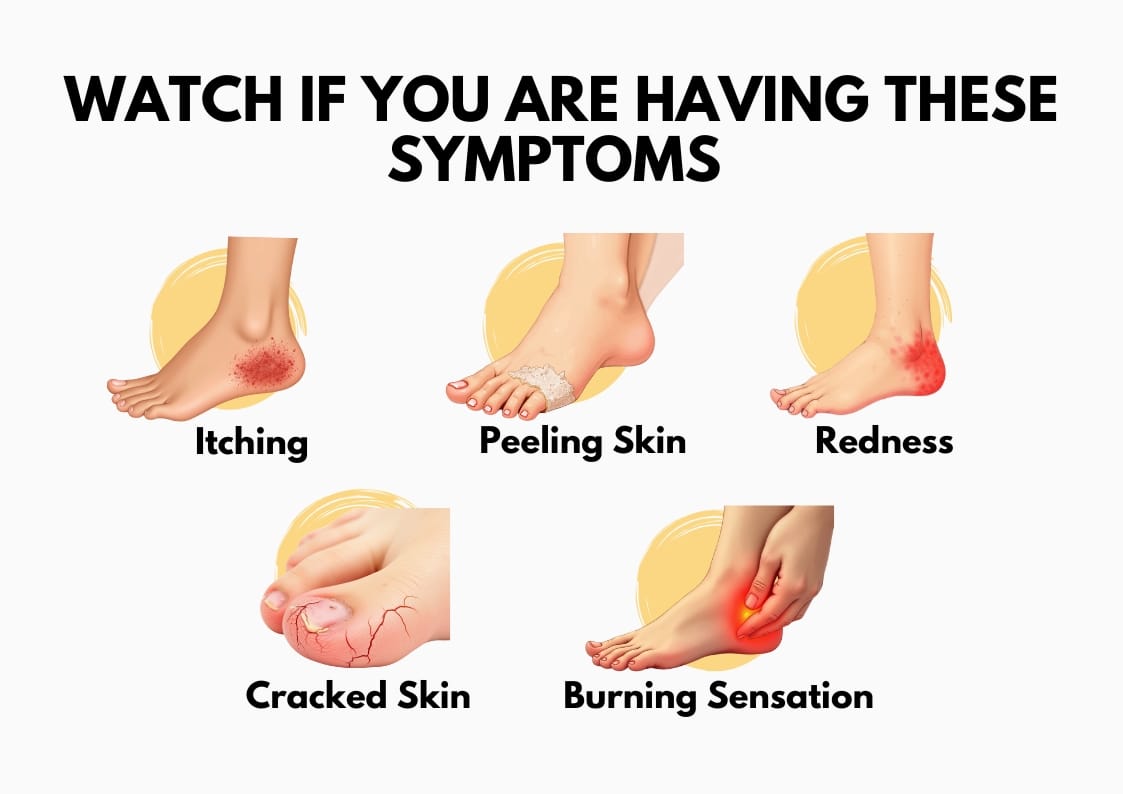
| Persistent odor may indicate infection | Especially if accompanied by itching, peeling, redness, or cracking. |
| Prevention is more effective than treatment | Consistent hygiene and moisture control significantly reduce recurrence. |
Expert Tips to Prevent Foot Odor
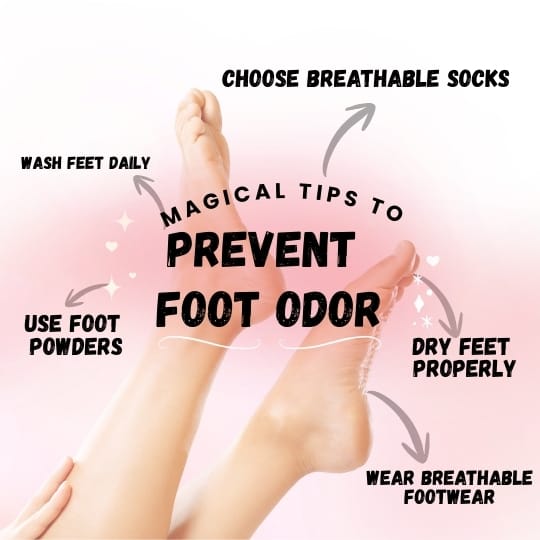
1. Wash Feet Daily
Clean feet remove sweat, bacteria, and dead skin.
Best practice:
- Use mild soap
- Wash between toes
- Rinse thoroughly
2. Dry Feet Properly
Moisture left on the skin encourages bacterial and fungal growth.
Pay special attention to:
- Between toes
- Soles
- Nail folds
3. Choose Breathable Socks
Socks is also the major reason behind sweaty feet as they allow how much moisture should stay against your skin.
Look for:
- Cotton
- Bamboo
- Moisture-wicking fabrics
Avoid wearing the same pair all day if feet sweat heavily.
4. Rotate Your Shoes
Wearing the same shoes daily prevents them from fully drying.
Recommendation:
- Alternate pairs
- Allow 24 hours of air-drying
- Use shoe deodorizers if needed
5. Use Foot Powders or Sprays
These help absorb moisture and reduce bacterial growth.
Options include:
- Antifungal powders
- Deodorizing sprays
- Talc-free moisture absorbers
6. Wear Breathable Footwear
Shoes made of non-breathable materials trap heat and sweat.
Better choices:
- Mesh or fabric uppers
- Leather (natural ventilation)
Preventing Foot Infections
Sometimes continuous odor with other symptoms can sign infection. So, it’s important to give attention if:
Common Conditions Linked to Odor
| Condition | Possible Signs |
|---|---|
| Athlete’s Foot (Tinea Pedis) | Itching, scaling, peeling skin, and possible redness between the toes. |
| Fungal Nail Infection (Onychomycosis) | Thickened, brittle, or discolored nails that may separate from the nail bed. |
| Bacterial Skin Infection | Strong odor, skin breakdown, redness, swelling, or discharge. |
Additional Protective Habits
- Keep feet dry during the day
- Avoid tight, non-breathable shoes
- Change socks if damp
- Use antifungal products when needed
- Maintain proper nail hygiene
When to See a Doctor
Seek medical advice if you notice:
- Persistent strong odor
- Pain or swelling
- Cracked or bleeding skin
- Thickened or discolored nails
- Symptoms that don’t improve
FAQs
Are smelly feet normal?
Yes. Foot odor is common, especially in people with active sweat glands.
Does sweat cause foot odor?
Sweat contributes, but bacteria breaking down sweat which produce the smell.
Can foot odor indicate infection?
Sometimes not always. Odor with itching, peeling, or redness may suggest fungal or bacterial issues.
How often should I wash my feet?
Daily washing is recommended, especially if feet sweat frequently.
References
1. American Podiatric Medical Association (APMA) (Foot hygiene and odor)
2. Mayo Clinic (Athlete’s foot and fungal infections)
3. National Health Service (NHS) (Causes of foot odor)
4. National Institutes of Health (NIH) (Sweat, bacteria, and skin microbiome)


Member discussion