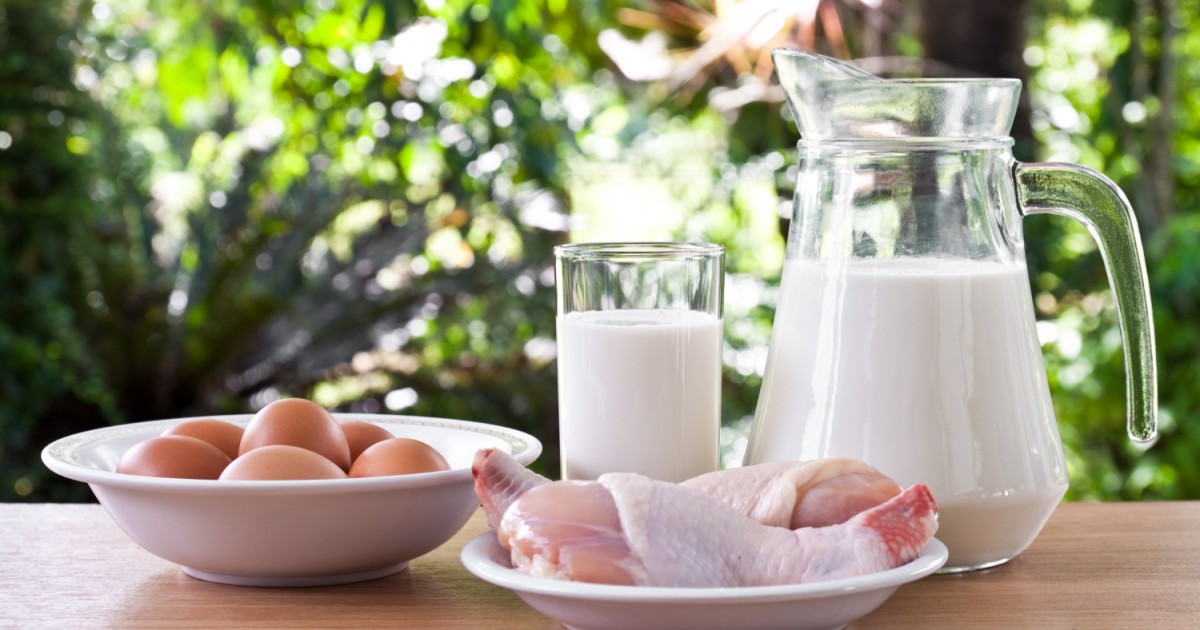
The food we eat is broadly classified into two main types. The perishable food and the non- perishable food. Perishable vs non-perishable food: The main difference between the two lies that non-perishable food can be stored for a longer duration in your pantry without getting spoiled when compared to the perishable food.
Have you ever wondered why you have heard your parents saying milk needs to go straight into the refrigerator while a bag of rice can be kept in the pantry for months? Or have you wondered why some fruits stay fresh on the kitchen counter, while others quickly become moldy? The answer comes down to perishable vs non-perishable food
Knowing the difference between perishable vs non-perishable food is not only about organizing your groceries. It can help you keep food fresh longer, reduce food wastage, save money, and lower the risk of food borne illness. If you've ever thrown away spoiled leftovers, you're not alone. It happens to almost everyone.
Knowing this will help storing food correctly and make it last longer. A few simple habits can make a big difference in how long your groceries last.
What Is Perishable Food?
Perishable foods are those which go bad quickly if not stored properly. Most perishable foods need refrigeration or freezing to stay safe to eat. Bacteria can grow quickly at room temperature, even if the food looks and smells normal. Because these foods contain moisture and nutrients that feed bacteria, yeast and mold, they have a shorter shelf life.
For example, if you leave a gallon of milk out on the kitchen counter for several hours during the summer, chances are it won’t be safe to drink afterward. The same applies to cooked pasta, chicken or soup left out overnight.
Common Examples of Perishable Foods
Dairy Products: Milk, Cheese, Yogurt, Cottage cheese, Sour cream
Meat and Poultry: Beef, Chicken, Turkey, Pork, Ground meat, Bacon, Sausage
Seafood: Fresh fish, Shrimp, Crab, Lobster, Mussels,Scallops
Fresh Produce: Strawberries, Blueberries, Raspberries, Leafy greens, Spinach, Lettuce, Mushrooms, Broccoli, Fresh herbs
Prepared Foods: Leftovers, Cooked rice, Cooked pasta, Soups, Salads, Sandwiches, Pizza
What Is Non-Perishable Food?
Non-perishable food lasts much longer than perishable food. Stored in a place that is dry and cool, these foods often can safely be kept at room temperature for weeks, months, or even years. And that doesn't mean that they last forever.
Perishable vs non-perishable food: They may lose their flavor, texture or quality as time goes by. Generally they don’t go bad as quickly as fresh foods.
Perishable vs non-perishable food: Because Non-perishable foods have less moisture, or have been processed to stay fresh longer, they do not need refrigeration until you open or prepare them. For instance, a can of black beans, if unopened, will lie safely in your pantry for months. And once you open the product, it should be stored in the refrigerator.
Common Examples of Non-Perishable Foods
Grains: White rice, Brown rice, Pasta, Quinoa, Oats
Canned Foods: Tomatoes, Corn, Green beans, Tuna, Bean, Soup
Baking Ingredients: Flour, Sugar, Baking powder, Baking soda, Cornstarch
Pantry Staples: Peanut butter, Honey, Cooking oil, Vinegar, Coffee, Tea
Snacks: Crackers, Pretzels, Granola bars, Nuts, Popcorn kernels
Perishable vs Non-Perishable Food
There are a few other important differences between Perishable vs non-perishable food that can help you decide where to store your groceries. If a food needs refrigeration to stay safe, it's usually perishable. If it can safely stay in your pantry for a long time, it's usually non-perishable. Lets now understand the basic difference between Perishable vs non-perishable food
Feature |
Perishable Food |
Non-Perishable Food |
Shelf life |
Short |
Long |
Refrigeration needed |
Usually yes |
Usually no |
Spoils quickly |
Yes |
No |
Pantry storage |
Limited |
Ideal |
Freezer friendly |
Many are |
Some are |
Examples |
Milk, meat, berries |
Rice, pasta, canned beans |
Perishable vs Non-Perishable Food: Can Some Foods Be Both Perishable and Non-Perishable?
Its not always perishable vs non-perishable food. Some can be both. This is one of the biggest reasons people get confused. Some foods change categories after you open, cook, or prepare them. Here are a few common examples which you use commonly everyday..
Peanut Butter
An unopened jar can stay in the pantry for months. Once opened, it still doesn't need refrigeration, but storing natural peanut butter in the refrigerator can help prevent the oils from separating and keep it fresh longer.
Canned Vegetables
Before opening, canned vegetables are non-perishable. After opening, any leftovers become perishable and should be transferred to a sealed container and refrigerated.
Dry Pasta
Dry pasta belongs in the pantry. Cooked pasta is perishable and should be refrigerated within about two hours after cooking.
Rice (before and after cooking)
Dry rice can last a long time in a cool, dry pantry. Cooked rice is different. It should be refrigerated promptly because bacteria can grow quickly if it's left out too long.
Soup
A can of unopened soup can stay in your pantry for months. Once you heat it or open the can, leftovers become perishable.
Fruit
Some fruits stay fresh on the counter for a while before they need refrigeration. Few daily life examples you see at home are:
Bananas usually do best at room temperature.
Apples last longer in the refrigerator.
Avocados can ripen on the counter and then be moved to the refrigerator.
Peaches and nectarines can also ripen at room temperature before refrigeration.
Knowing when to move these foods from the counter to the refrigerator can help them last several days longer.
Perishable vs Non-Perishable Food: Why Do You Need To Store Perishable Food In Refrigerators?
Perishable vs non-perishable food: Which requires a refrigerator. Perishable food goes bad too soon because it contains moisture, nutrients, and natural enzymes that allow bacteria, yeast, and mold to grow. Warm temperatures speed up these changes, causing food to spoil much faster.
You can understand this by an example: A package of fresh chicken if left on the kitchen counter for too long will allow bacteria to multiply quickly. As they grow, they break down the food, changing its smell, taste, texture, and look. Some harmful bacteria don't cause visible changes, which is why food can become unsafe even if it looks normal.
Some dangerous bacteria don’t cause any visible changes, so food can go bad without looking bad. There are several factors that cause food to spoil:
Microorganisms Bacteria, yeast and mould consume food nutrients and multiply over time.
Moisture: Foods with a high water content (meat, dairy products, fruits, vegetables) spoil faster than dry foods.
Natural Enzymes: Enzymes are found in fresh foods and continue to work after harvesting or processing. These enzymes can eventually make fruit soft, vegetables wilt and change the flavour and texture of foods. Air and oxygen: When exposed to air, colour, flavour and freshness can change
Temperature: Bacteria grow fastest in warm conditions, such as a kitchen counter top, but refrigeration slows the process, and kitchen counter top, but refrigeration slows the process, and freezing slows it down even more.
That’s why milk, eggs, seafood, cooked leftovers and fresh produce need refrigeration, while dry foods like rice, pasta, beans and flour can safely stay in the pantry much longer. Perishable foods should be refrigerated promptly and foods should be stored in airtight containers to keep foods fresh and safe longer.
Perishable vs Non-Perishable Food: Why Don't Non-Perishable Foods Spoil as Quickly?
Perishable vs non-perishable food: another important factor is to understand the role of spoilage. Unlike fresh foods, non-perishable foods are made or processed (treated in factories through processes to increase their shelf life) to stay safe and maintain their quality for a much longer time. They spoil more slowly because they don't provide the ideal conditions that bacteria, yeast, and mold need to grow. Here are the main reasons they last longer:
They have little moisture: Foods like dried beans, rice, pasta, crackers, and flour contain very little water, making it much harder for bacteria to grow.
Processed food has a longer shelf life: Many non-perishable foods go through preservation methods that help them stay fresh for months or even years.These processes reduce moisture, remove air, or destroy microorganisms that cause spoilage.
Protection from food packaging: Many foods are sealed in cans, jars, boxes, or pouches that keep out air, moisture, insects, and contaminants. As long as the packaging remains unopened and undamaged, the food inside stays protected.
Do not support bacterial growth: Foods with a low moisture content, such as rice, oats, sugar, and dried pasta, don't provide the medium that bacteria need to multiply quickly.
They do not last forever: Although non-perishable foods last much longer, they don't last forever. Improper storage can also shorten their shelf life. Heat, humidity, sunlight, and damaged packaging can cause even shelf-stable foods to deteriorate faster.
Tips To Store Perishable Foods Safely
Proper storage of food is necessary as it keeps food fresh and safe to eat. A few small changes to your habits can help you waste less food and save money on groceries. Try following these tips next time you store perishable food.
Refrigerate Perishable Foods Quickly
Do not leave perishable foods sitting in the kitchen for long. After grocery shopping, unpack refrigerated and frozen items first. If quick refrigeration is not possible, try using an insulated cooler bag to keep cold foods at a safe temperature until you get home. Foods that should go into the refrigerator as soon as possible include:
Milk and dairy products
Raw meat, poultry, seafood and eggs
Fresh-cut fruits and vegetables
Cooked leftovers
When you buy perishable food, be sure to refrigerate it within 2 hours, or 1 hour if the temperature outside is 90 °F (about 32 °C) or above .
Keep Your Refrigerator at the Right Temperature
Your refrigerator should maintain a safe temperature. If your fridge is too warm, food may spoil faster. Many households don't realize their refrigerator temperature is set too high. An inexpensive refrigerator thermometer can help you check that it's staying within the recommended range.
Perishable foods should be stored in the refrigerator at 40°F (4 °C) or below.
Store Raw Meat Separately
Raw meat, poultry, and seafood should always be stored away from ready to eat food items like breads. Place them on the lowest shelf of your refrigerator in a leak-proof container or tray. This will stop juices from the meat to drip onto fruits, vegetables, or leftovers.
Don't Overcrowd the Refrigerator
Cold air from the fridge needs space to circulate. When shelves are packed too tightly, some foods may not stay as cold as they should. Leave a little room between containers whenever possible.
Label Leftover Food
Label leftovers with the date they were prepared. A piece of masking tape and a marker can help you remember what needs to be eaten first. This is a practical way which will help you in finishing these foods first.
Freeze Foods You Won't Use Soon
If you know you won't cook a particular food soon, don't wait until it starts to spoil. Freezing many foods while they're still fresh helps preserve quality and reduces waste. Foods that freeze well include bread, ground beef, chicken breasts, cooked rice, shredded cheese,berries
Tips to Store Non-Perishable Foods
Pantry foods last much longer than fresh foods, but they still need proper storage. If not stored properly, the life of these items shortens.
Choose a Cool and Dry Place
The pantry should be cool, dry, dark and well ventilated. Heat and moisture can damage many foods, even those with a long shelf life.
Use Airtight Containers
Once you open foods like cereal, flour, rice, crackers, or pasta, transfer them into airtight containers if possible. This helps protect them from moisture, pests, stale air and spills. Clear containers also make it easier to see what you already have, which can prevent buying duplicates and also you can properly label items for convenience.
Rotate Your Pantry
A simple habit can prevent food wastage. When putting away groceries, move older items to the front. and place newer items behind them. This method is often called "first in, first out." It reminds you to use older foods before opening new ones.
Check Expiration Dates Occasionally
Most people don't look through their pantry until they need something. Instead, spend a few minutes every month checking:
Expiration dates
Damaged packaging
Open bags
Broken seals


Consult a internal medicine specialist
Where Should You Store Common Perishable Non-Perishable Food Safely?
Perishable vs non-perishable food are different, but knowing the typical storage life of common items can help you plan meals and reduce waste.
Food |
Pantry |
Refrigerator |
Freezer |
Milk |
No |
About 1 week after opening |
Not usually recommended |
Eggs |
No |
Several weeks |
Can be frozen after removing shells |
Raw chicken |
No |
1 to 2 days |
Up to several months |
Ground beef |
No |
1 to 2 days |
Several months |
Fresh fish |
No |
1 to 2 days |
Several months |
Cooked leftovers |
No |
3 to 4 days |
About 2 to 3 months |
Bread |
5 to 7 days |
Not usually needed |
Several months |
Dry rice |
Many months |
Not needed |
Long-term if sealed |
Dry pasta |
1 to 2 years |
Not needed |
Long-term if sealed |
Canned beans |
Many months |
After opening only |
Not usually frozen |
Peanut butter |
Several months |
Optional after opening |
Not usually frozen |
Perishable vs Non-Perishable Food: Common Food Storage Mistakes That Can Make Food Spoil Faster
Perishable vs non-perishable food importance of storage is essential. The way you store food items can affect how long they last. Small storage mistakes can lead to food spoilage, unnecessary waste, and extra trips to the grocery store. Here are some of the most common mistakes and how to avoid them.
1. Washing Fresh Fruits And Vegetables Before Storing
It may seem like a time-saver to wash all your fruits and vegetables as soon as you get home.
Washing fruits and vegetables before storing it can leave behind moisture that encourages mold and bacterial growth, causing it to spoil sooner.
Store most produce unwashed and rinse it just before you're ready to eat or cook it.
If you prefer washing produce ahead of time for convenience, dry it thoroughly with a clean towel or salad spinner before refrigerating.
2. Storing Fresh Produce the Wrong Way
All fruits and vegetables do not have the same storage requirements. Improper storage can affect flavor, texture or freshness and reduce shelf life. Below are some typical mistakes:
Refrigeration of Potatoes: Cold temperatures can change their texture and lead to a sweeter flavor when cooked. Instead, store potatoes in a cool, dark, dry place.
Refrigerating whole tomatoes very soon: Whole tomatoes develop better flavor at room temperature. When they are ripe, or if cut, keep them in the refrigerator.
Storing onions and potatoes together: Onions give off moisture and natural gases that can make potatoes sprout or go bad faster. Store in well ventilated areas separately.
Keep ethylene-producing fruits away from ethylene-sensitive fruits Apples, bananas, avocados, peaches and pears all emit ethylene gas which causes fruits to ripen more quickly. Lettuce, broccoli, cucumbers, carrots, leafy greens and similar produce should be stored separately from other produce to help them stay fresh longer.
3. Leaving Leftovers Out Too Long
Some leftover foods can spoil easily and can become unsafe to eat if they are kept at room temperature too long. Cooked meats, rice, pasta, casseroles and soups are particularly susceptible foods. Rather, pour large portions into wide shallow containers to accelerate cooling, then refrigerate quickly.
4. Overfilling the Refrigerator
Overloading your fridge can shorten the shelf life of your food. Cold air needs a place to go. If the shelves are overstuffed, some foods may not stay consistently cold. Don't block the refrigerator vents and allow some space between containers.
5. Overfilling the Pantry
An overfilled pantry makes it easy to forget what you already have, leading to duplicate purchases and expired products. Its better to organize similar foods together.
6. Overfilling the Pantry
A cluttered pantry makes it easy to forget what you already have, leading to duplicate purchases and expired products. Its better to organize similar foods together. Clear storage bins or labeled containers can also make it easier to find what you need.
7. Storing Dry Foods in Open Packages
Leaving flour, rice, cereal, or crackers in opened bags or boxes exposes them to air, moisture, and pantry pests. After opening packages it is better to transfer dry foods to airtight containers or reseal the original packaging tightly.
8. Ignoring Expiration and Best-By Dates
Every month, take a few minutes to check dates, remove expired items, and use foods that are approaching their best-by date.
9. Not Labeling Leftovers
Label containers with the name of the dish and the date it was prepared.
Perishable vs Non-Perishable Food: How to Tell if Food Has Gone Bad?
Sometimes, spoiled food is easy to spot. Other times, it may look perfectly fine even when it isn't safe to eat. Before you cook or eat something, take a quick look and check for these warning signs.
Milk Products
If you see any of the following, milk, yogurt, cheese and other dairy products may be spoiled:
A sour or unpleasant smell coming from the food
Mold growing on the surface of the food
A lumpy or curdled texture in milk or yogurt with yellowish color
Bulging or leaking container, spoiled food inside.
Meat & Sea Food
Fresh meat and poultry should appear and smell normal. If you see any, toss them:
A powerful or offensive smell
A surface that is slimy or sticky
Unusual colors, gray or green
When in doubt, don't cook or eat it.
Fresh Fruits and Vegetables
Check your product before using it. Signs that it's no longer fresh include:
Mold on surface white or green in color usually
Soft, mushy spots with bad smell
Bread and Baked Goods
Cutting off the moldy part and then eating the normal looking parts isn't enough because mold can spread inside the loaf. Throw it away if you see:
Mold, even if it's only on one slice of the baked food
A strange smell with wet or sticky spots
Canned Foods
Before opening a can, check the outside of the can carefully. A damaged can may allow harmful bacteria to grow inside. Don't use it if the can is:
Bulging or swollen or Leaking
Throw away if the can is rusted or dented on surface
References
Frequently asked questions
What is the main difference between perishable and non-perishable food?
Perishable foods spoil quickly and usually need refrigeration or freezing to stay safe. Non-perishable foods have a much longer shelf life and can typically be stored at room temperature in a cool, dry pantry.
Can non-perishable food expire?
Yes it can expire. While many pantry foods last a long time, they don't last forever. Over time, they may lose flavor, texture, or nutritional quality. Always check the package for a best-by or expiration date, and inspect the food before using it.