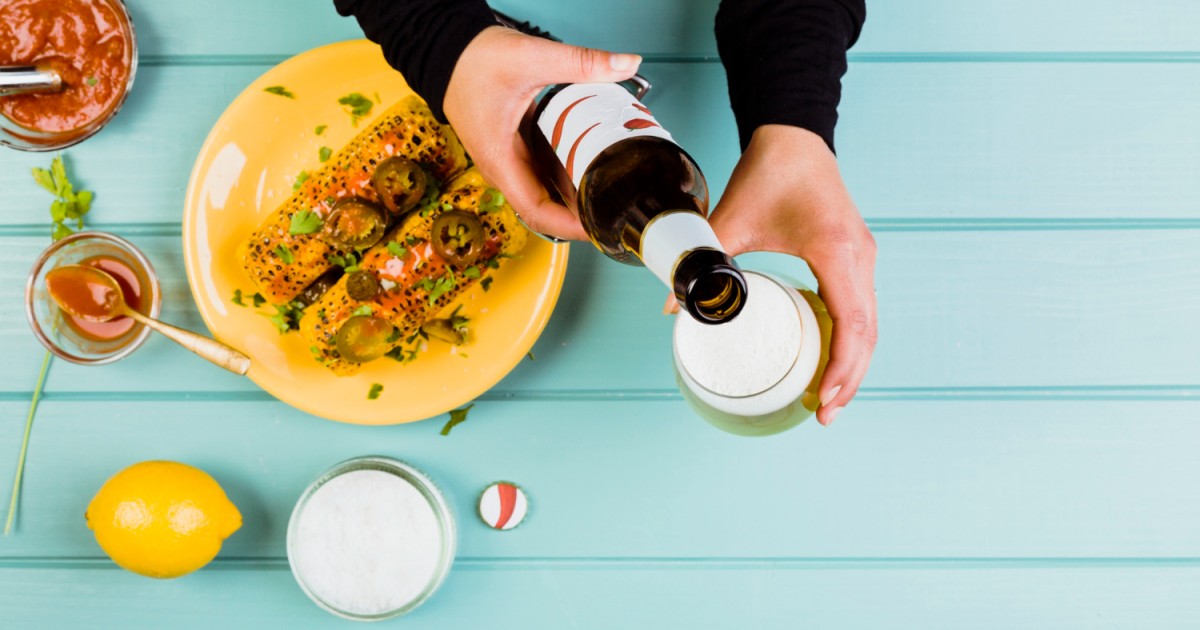
Many people enjoy having a drink with friends. But if you're on your weight loss journey you may wonder: Is there any low calorie alcohol that I can have without worrying about weight gain?
The answer is yes. But choosing the right drink matters. Some alcoholic drinks have under 100 calories. Some can have more than 500 calories in a single glass.
The good news is you don't have to memorize hundreds of drinks. Once you understand where the calories come from, making better choices becomes much easier. But it is important to understand and remember no amount of alcohol even if consumed occasionally is safe. It is best to avoid any form of alcohol for good health.
What Is Low-Calorie Alcohol?
There is no official medical definition of low-calorie alcohol. The term generally refers to alcoholic drinks that provide fewer calories per serving than standard beers, wines, or cocktails. In most cases, a drink containing about 100 calories or less per standard serving is considered a low-calorie option.
The number of calories in an alcoholic drink depends on three main things:
The amount of alcohol it contains (higher alcohol content usually means more calories)
The serving size
Added ingredients such as syrups, juices, cream, or sugary soft drinks
For example, a shot of plain vodka contains around 97 calories. If you mix it with soda water and fresh lime, the calorie count stays almost the same. Mix that same vodka with orange juice or a sugary cocktail mix, and the calories can easily double.
Choosing low-calorie alcohol doesn't make drinking "healthy." It simply means you're reducing the extra calories that often come with alcoholic beverages.
How Many Calories Does Low Calorie Alcohol Have?
Alcohol itself contains calories. Every gram of alcohol has about 7 calories. To better understand this you can compare it with:
Protein = 4 calories per gram
Carbohydrates = 4 calories per gram
Fat = 9 calories per gram
Calories are a way of measuring how much energy you get from food and drinks. Your body uses this energy to do everything, from breathing and walking to thinking and exercising. If you eat or drink more calories than your body needs, the extra energy is usually stored as body fat over time.
So alcohol is already high in calories before anything is mixed into it. Now when we talk about cocktails. They usually contain:.
Sugar
Fruit juice
Syrups
Cream
Soda
Chocolate
Coconut cream
These ingredients can double or even triple the calorie count without you even realising it. Adding to unnecessary calories.
Is There Such a Thing as Healthy Low Calorie Alcohol?
Not really. No alcoholic drink is considered a healthy food. Even low calorie alcohol still affects your body. The goal isn't to find "healthy alcohol." The goal is choosing drinks that fit your lifestyle while drinking responsibly.
Best Low Calorie Alcohol Choices
Vodka Soda
Calories: ~97-100. Vodka contains almost no sugar or carbohydrates. Pairing it with soda water instead of cold drinks or fruit juice keeps the calorie count low. Add fresh lemon, lime, or cucumber for flavor.
Gin and Diet Tonic
Calories: ~100-110. Gin has about the same calories as vodka, but the mixer makes all the difference. Regular tonic water contains added sugar, while diet tonic has very few calories.
Tequila with Lime
Calories: ~96-100. A shot of tequila with fresh lime is one of the simplest low-calorie choices. You can avoid ready-made margarita mixes because they often contain large amounts of added sugar.
Whiskey on the Rocks
Calories: ~105. Whiskey has only slightly more calories than vodka or gin. Drinking it neat or over ice avoids the calories that come from sweet mixers.
White Rum with Soda Water
Calories: ~97-100. Plain white rum is naturally low in calories. It becomes high in calories when mixed with cola, fruit punch, or tropical juices. Soda water and lime are much lighter options.
Hard Seltzers
Calories: 90-110. Hard seltzers have become popular because they're light, fizzy, and often lower in both sugar and carbohydrates than many beers or cocktails. Many brands also clearly display calories on the can, making them easy to compare.
Brut Champagne
Calories: 90-100. Champagne specially Brut styles contain less sugar than sweeter sparkling wines, making them one of the lower-calorie wine choices.
Prosecco
Calories: 100-120. Dry Prosecco is another sparkling wine that is suitable as a lower-calorie lifestyle. Skip sweet sparkling cocktails to keep the calorie count down.
Dry White Wine
Calories: ~120. Sauvignon Blanc, Pinot Grigio, and dry Chardonnay generally contain fewer calories than sweet dessert wines because they have less residual sugar.
Dry Rosé
Calories: 120-125. Dry rosé offers a refreshing option during warm weather. Look for bottles labeled "dry" instead of "sweet."
Dry Red Wine
Calories: 120-125. Pinot Noir, Cabernet Sauvignon, and Merlot have similar calorie counts. A standard 5-ounce serving is important because larger pours can significantly increase calories.
Light Beer
Calories: 90-110. Light beers are brewed to contain fewer calories and carbohydrates than regular beers. They're a good option if you enjoy beer but want to reduce calorie intake.
Low-Carb Beer
Calories: 90-100. Several newer beer brands are designed specifically for people watching their carbohydrate intake. They often contain slightly fewer calories than standard light beers while maintaining a similar taste.
Low-Calorie Alcohol Comparison Table
Drink |
Standard Serving |
Average Calories |
Carbohydrates |
Best Mixer/Serving Style |
Weight-Loss Friendly? |
Vodka |
1.5 oz (44 mL) |
97 |
0 g |
Soda water + lime |
5/5 |
Gin |
1.5 oz |
97 |
0 g |
Diet tonic or soda water |
5/5 |
Tequila |
1.5 oz |
96 |
0 g |
Lime and sparkling water |
5/5 |
Whiskey |
1.5 oz |
105 |
0 g |
On the rocks or soda water |
4/5 |
White Rum |
1.5 oz |
97 |
0 g |
Soda water + lime |
5/5 |
Hard Seltzer |
355 mL (12 oz) |
90-110 |
2-5 g |
Drink as is |
5/5 |
Brut Champagne |
5 oz |
90-100 |
1-2 g |
Plain |
5/5 |
Prosecco |
5 oz |
100-120 |
2-3 g |
Plain |
4/5 |
Dry White Wine |
5 oz |
120 |
3-4 g |
Plain |
4/5 |
Dry Rosé |
5 oz |
120-125 |
3-4 g |
Plain |
4/5 |
Dry Red Wine |
5 oz |
120-125 |
3-5 g |
Plain |
4/5 |
Light Beer |
12 oz |
90-110 |
3-6 g |
Plain |
4/5 |
Low-Carb Beer |
12 oz |
90-100 |
2-3 g |
Plain |
5/5 |
Calories vary slightly by brand and alcohol content.
How to Read Low-Calorie Alcohol Labels?
Reading an alcohol label can help you choose a drink that fits your calorie goals. However, not all alcoholic beverages list complete nutrition information, so it's important to know what to look for.
Check the Serving Size First
You need to first check what the serving size is. The calories listed on the label are based on a specific serving size. For example, a beer may show 100 calories per 12-ounce (355 mL) serving, but drinking a larger bottle or pint means you'll consume more calories than what's listed. This is best to keep in mind when you are tracking down the calories.
Look at the Alcohol by Volume (ABV)
The Alcohol by Volume (ABV) tells you how much alcohol is in the drink. In general, beverages with a higher ABV contain more calories because alcohol itself provides 7 calories per gram. Comparing drinks with similar serving sizes but different ABVs can help you make a lighter choice.
Check the Carbohydrates and Sugar
Another important aspect is the sugar and carbohydrate content. Many canned alcoholic drinks, hard seltzers, and flavored beverages list their carbohydrate and sugar content. Drinks with less added sugar usually contain fewer calories than sweet cocktails or flavored alcoholic beverages.
Watch for Added Ingredients
Flavored drinks may contain fruit juice, syrups, cream, or sweeteners that significantly increase the calorie count. If the ingredient list includes added sugars or cream-based ingredients, the drink is likely to be higher in calories.
Compare Similar Drinks
Don't assume all beers, wines, or spirits have the same calorie content. You should remember that two drinks in the same category can differ because of their alcohol content, sugar, and serving size. Comparing labels can help you choose the lower-calorie option.
Be Careful with Cocktails
Many cocktails served at restaurants and bars don't come with nutrition labels. Drinks such as piña coladas, margaritas, and Long Island iced teas often contain sugary mixers and can have several hundred calories in a single serving. If calorie information isn't available, choosing simple drinks like vodka with soda water, gin with diet tonic, or dry wine is usually a better option.
The Biggest Hidden Calories While Drinking Low Calorie Alcohol
Most calories don't come from vodka, gin or tequila. They come from what gets mixed in. Be careful what you mix with these alcohols. Some of the common mixers include:
Regular soda
Sweet tea
Juice
Energy drinks
Syrups
Cream
Sweet liqueurs
Coconut cream
These ingredients can quietly add 100 to 300 extra calories.
Why Can Low Calorie Alcohol Slow Weight Loss?
Many people think alcohol causes weight gain only because of calories. The fact slightly differs. The truth is that your body treats alcohol differently. This is true even for the low calorie alcohol you are consuming.
When alcohol enters your body, your liver starts breaking it down first. During that time, fat burning slows down because alcohol becomes the body's priority. That doesn't mean one drink suddenly causes weight gain. But frequent drinking can make reaching weight-loss goals harder to achieve.
Can Low Calorie Alcohol Make You Hungrier?
Alcohol can increase appetite. It doesn't matter if you have low calorie alcohol or dense calorie alcohol. People tend to choose snacks like:
Fries
Burgers
Chips
Pizza
Desserts
Sometimes those foods contain more calories than the drinks themselves thus making weight gain obvious..


Consult a dietary specialist
Best Mixers for Low Calorie Alcohol
Choosing the right mixer for your low calorie alcohol is equally important when it comes to maintaining or losing weight. Choose these more often:
Club soda
Sparkling water
Diet soda
Plain soda water
Fresh lemon
Fresh lime
Ice
Mint
Fresh cucumber
These keep calories low while adding flavor.
Mixers To Avoid for Low Calorie Alcohol
These can quickly increase calories so its best to avoid:
Cola
Lemonade
Sweet tonic
Orange juice
Cranberry juice
Mango juice
Grenadine
Chocolate syrup
Cream
Does Sugar-Free Mixer Mean Calorie-Free Mixer?
No. This is a common misconception. Alcohol itself still contains calories. A drink with no sugar can still contain around 100 calories because ethanol provides energy. That's why "skinny cocktails" still have calories.
Smart Tips When Ordering Alcohol At A Restaurant
Just remember these simple ideas and the basics of low calorie alcohol while ordering. This can help you cut down large number of calories while still drinking alcohol. Try and choose:
Vodka soda
Gin and soda
Tequila with lime
Dry wine
Light beer
Ask for:
Less syrup
No extra sugar
Soda water instead of regular soda
Does Dark Liquor Have More Calories?
Not much. Whether its Whiskey, Rum, Vodka, Gin, Tequila, when they have similar alcohol content, their calories are usually very close. The bigger difference is often what gets added afterward.
Can You Drink Low Calorie Alcohol While Losing Weight?
Yes you can. But success usually comes from balance. Some simple habits help.
Eat before drinking.
Drink water between alcoholic drinks.
Choose smaller servings.
Avoid sugary cocktails.
Don't drink every day.
Stay within recommended drinking limits.
When choosing alcohol, ask yourself two questions. How much alcohol is in it? What has been mixed into it? That's really what decides most of the calories.
Common Myths About Low Calorie Alcohol
Myth 1: Vodka burns fat.
False. Vodka doesn't burn fat. Your body actually pauses fat burning while it processes alcohol.
Myth 2: Wine has no sugar.
False. Wine contains natural sugars. Some wines contain much more than others.
Myth 3: Light beer has no calories.
False. It simply has fewer calories than regular beer.
Myth 4: Clear alcohol is healthier.
Not necessarily. Clear spirits often have similar calories to darker spirits.
Benefits of Choosing Low-Calorie Alcohol
If you enjoy drinking occasionally, choosing a low-calorie alcoholic beverage can be a smarter option than high-calorie cocktails or sugary mixed drinks. While it doesn't make alcohol healthy, it can help reduce your overall calorie intake and make it easier to stay on track with your health goals.
May Help Manage Calorie Intake
Low-calorie drinks such as vodka with soda water, light beer, or dry wine usually contain fewer calories than creamy cocktails or drinks made with sugary mixers. Choosing these options can help you avoid consuming hundreds of extra calories in a single evening.
Better Choice for Weight Management
If you're trying to lose weight or maintain your current weight, reducing calories from drinks can make a difference. Swapping a 400-calorie frozen cocktail for a 100-calorie spirit with soda water can save around 300 calories in one serving.
Often Lower in Sugar
Many low-calorie alcoholic drinks are also lower in added sugar. Dry wines, plain spirits, and hard seltzers generally contain less sugar than sweet cocktails, flavored liqueurs, or dessert wines.
Encourages Mindful Drinking
People who choose low-calorie alcohol are often more aware of serving sizes and drink choices. Paying attention to what you order may help you drink more responsibly and avoid unnecessary calories.
Easy to Customize
Low-calorie drinks don't have to be boring. Fresh lime, lemon, mint, cucumber, or sparkling water can add flavor without adding many calories.
Risks of Low-Calorie Alcohol
Choosing a drink with fewer calories doesn't remove the health risks linked to alcohol. Even low-calorie alcohol should be consumed in moderation because it can still affect your body in several ways.
It Is Not a Healthy Drink
A drink may be low in calories, but that doesn't mean it's good for your health. Alcohol provides calories but very few nutrients, which is why they're often called "empty calories."
Can Slow Fat Burning
Your body treats alcohol differently from food. When you drink alcohol, your liver breaks it down first. During this time, your body temporarily slows down fat burning, which may make weight management more difficult if you drink frequently.
May Increase Appetite
Many people feel hungrier after drinking alcohol. This can lead to eating larger portions or choosing high-calorie foods such as pizza, burgers, chips, or desserts. In some cases, the food eaten after drinking adds more calories than the alcohol itself.
Can Affect Judgment and Coordination
Even small amounts of alcohol can reduce concentration, slow reaction time, and affect balance. This increases the risk of falls, accidents, and poor decision-making.
Risk of Drinking Too Much
Because low-calorie drinks may seem "lighter," some people may drink more of them. Drinking larger amounts can still lead to alcohol-related health problems, regardless of the calorie content.
May Interact with Certain Medications
Alcohol can interact with many prescription and over-the-counter medicines, including some antibiotics, sleeping pills, antidepressants, and pain medications. If you take regular medication, ask your healthcare provider whether drinking alcohol is safe for you.
Moderation Is Still Important
Choosing low-calorie alcohol can reduce your calorie intake, but it doesn't remove the risks associated with drinking. The healthiest approach is to drink in moderation, stay hydrated, avoid binge drinking, and have alcohol-free days during the week.
References
- Keatley Medical Nutrition Therapy. Low Calorie Alcohol: Best Choices for Weight Management · source
Frequently asked questions
Is vodka the lowest calorie alcohol?
Vodka is one of the lowest calorie choices, but it is not unique. Gin, tequila, whiskey, and rum have similar calorie counts when served in equal amounts.
Which alcohol has the fewest calories?
Plain spirits like vodka, gin, tequila, whiskey, and rum generally contain about 95 to 100 calories per 1.5-ounce serving. Hard seltzers and light beers are also among the lower calorie options.