


Ureaplasma is a type of bacteria that naturally lives in the human urinary and genital tract. In many people, it exists quietly without causing any health problems. However, in some conditions like weakened immune systems or an imbalance in vaginal bacteria, It can multiply and lead to infections or reproductive health issues.
Most people do not even notice it, which is why the infection often goes unnoticed. In some cases, it can cause conditions such as:
- Bacterial vaginosis
- Urethritis
- Pelvic inflammatory disease
- Fertility problems.
It can also be transmitted through sexual contact or from a pregnant person to their newborn during childbirth.
Knowing the symptoms, causes, treatment, and prevention is key to protecting your reproductive and sexual health.
What is Ureaplasma?
It is a bacteria found in the genital tract of humans, including bacteria Ureaplasma urealyticum. It is considered part of the normal microbiome in many sexually active adults. However, when it multiplies, it may cause infections or inflammation in the reproductive system. These bacteria belong to the Mycoplasma family, which includes some of the smallest known organisms capable of reproducing on their own. Because of their tiny size and lack of a cell wall, they behave differently from many other bacteria and can be treated with antibiotics.
Key Characteristics
| Feature | Details |
|---|---|
| Type of organism | Bacteria |
| Common location | Urinary and genital tract |
| Transmission | Sexual contact or mother to child during pregnancy |
| Symptom | Often none |
| Possible complications | Urethritis, bacterial vaginosis, fertility problems |
It can be present in up to 80% of sexually active adults in some regions, often without causing any symptoms.
What Causes This Infection?
Infections typically happen when the bacteria grow beyond normal levels or enter areas of the body where they trigger inflammation.
Common Causes
- Sexual transmission
- Imbalance of vaginal bacteria
- Weak immune system
- Changes in vaginal pH
- Untreated infection in a sexual partner
It spreads mainly through sexual contact, but it may also pass from a pregnant person to a baby during childbirth.
Symptoms: Signs You Should Know
Many people experience no symptoms at all. However, when symptoms do occur, they may differ in males and females.
Symptoms of ureaplasma infection in women to watch for :
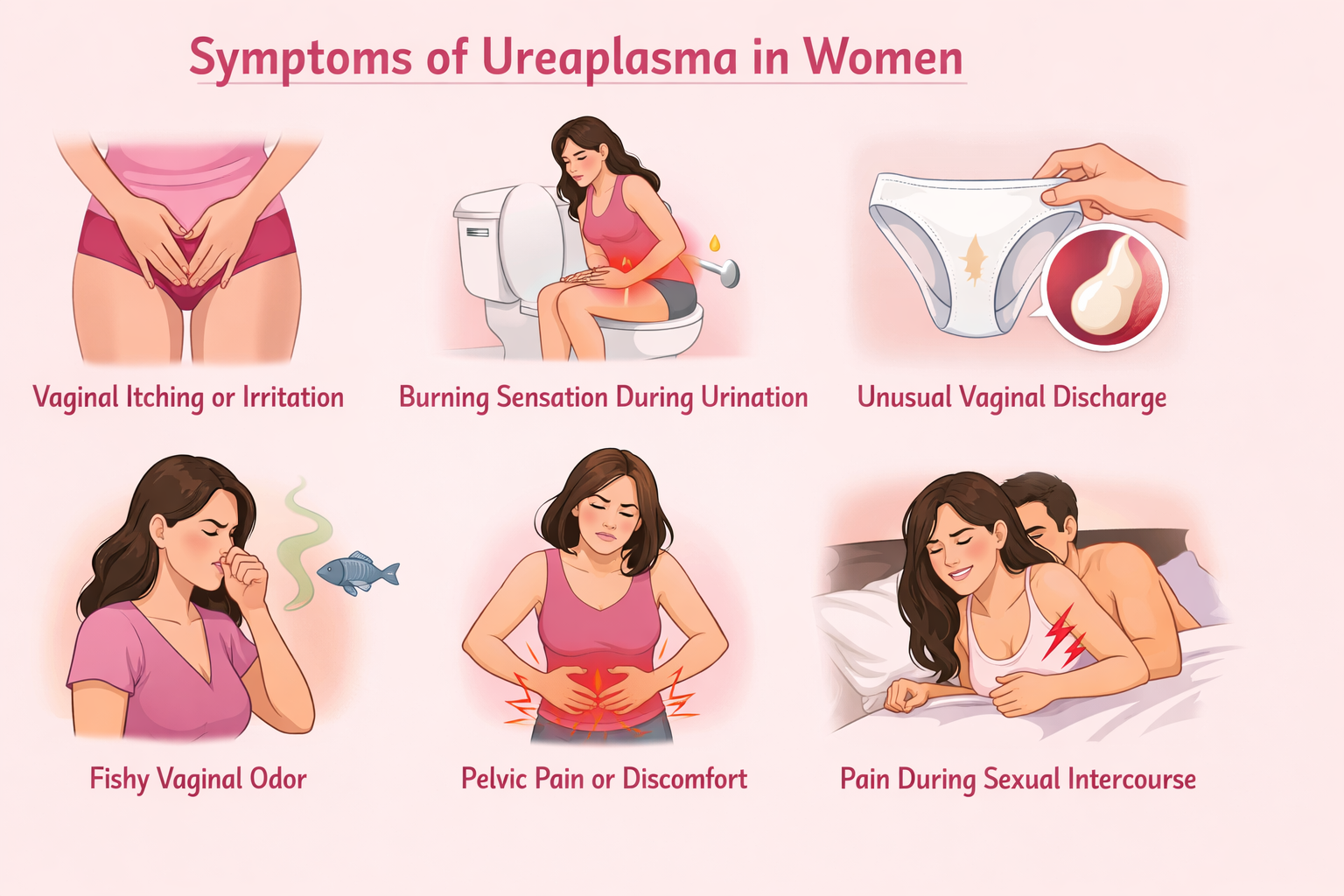
Symptoms in Men
- Burning sensation while urinating
- White or cloudy discharge from the penis
- Irritation or itching at the urethral opening
- Difficulty urinating
In some cases, it may lead to non-specific urethritis, which is inflammation of the urethra.
Many infections come without causing any symptoms, meaning a person may carry the bacteria without knowing it and still transmit it to others.
Possible Complications
Although it is harmless when balanced with other bacteria, if it multiplies and is left untreated, it may contribute to several health issues.
Possible Complications
- Bacterial vaginosis
- Pelvic inflammatory disease
- Chronic endometritis
- Low sperm count in men
- Infertility in both genders
- Pregnancy complications such as premature birth
Research also suggests that it may increase the risk of preterm labor and certain infections in newborns.
Common test:
| Test | Purpose |
|---|---|
| Vaginal swab | Detect bacteria in genital tract |
| Urine test | Identify infection in urinary system |
| PCR test | Detect bacterial DNA |
| Culture test | Identify antibiotic sensitivity |
PCR testing is often used because it can quickly detect the genetic material of the bacteria.
Ureaplasma species treatment:
Infections are usually treated with antibiotics prescribed by a healthcare provider. A common option is doxycycline for about 7 days, though the exact treatment depends on the individual case.
Important Treatment Tips
- Sexual partners should also be tested or treated.
- Avoid sexual activity during treatment.
- Complete the full antibiotic course.
- Follow-up testing may be recommended.
Reinfection can occur if both partners are not treated at the same time, even if symptoms disappear.
How to Reduce the Risk of Infection
Preventing it involves maintaining good sexual and reproductive health habits.
Prevention Tips
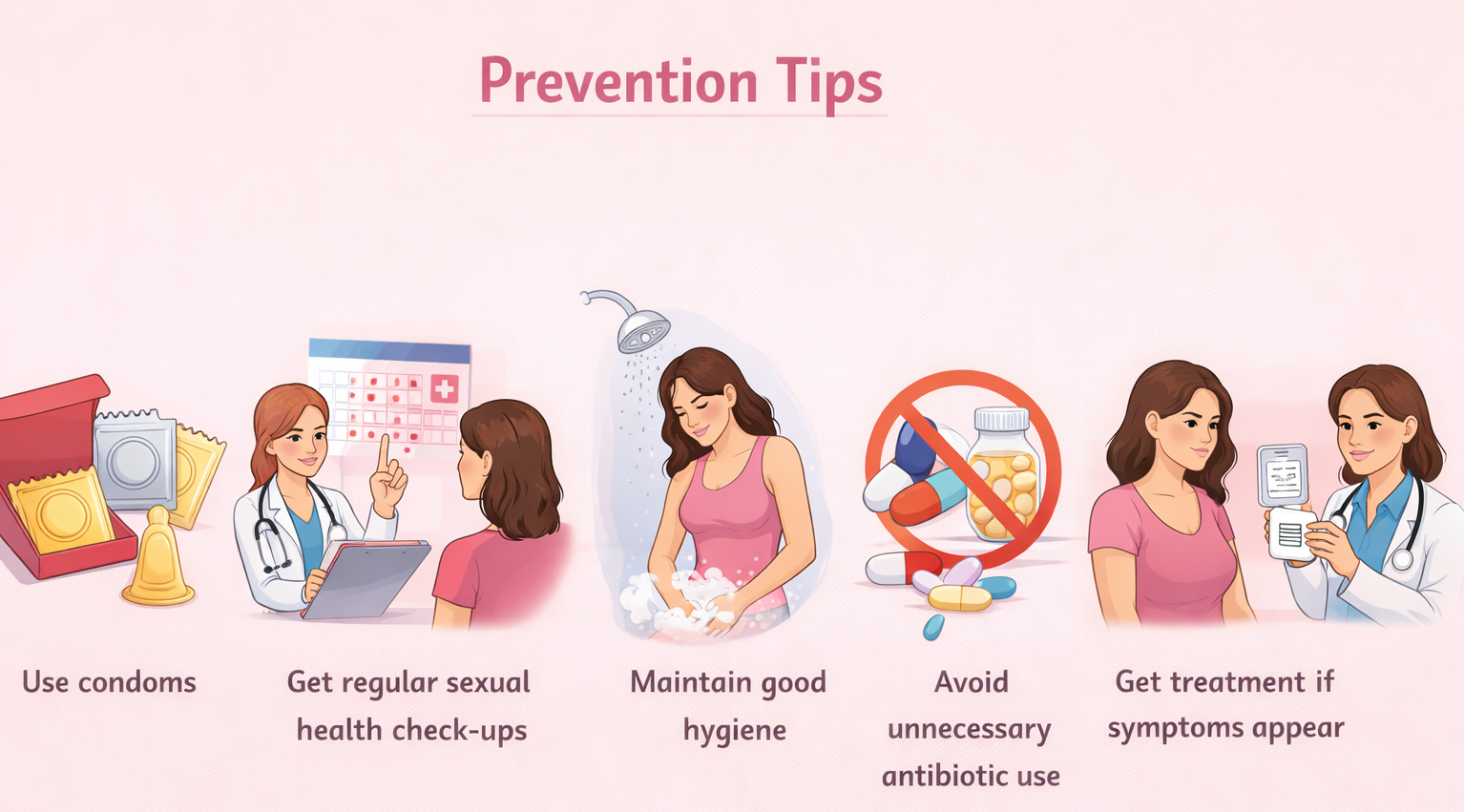
Having safe sex can reduce the risk of infection and reinfection.
Frequently Asked Questions (FAQs)
how to test ureaplasma?
Ureaplasma is tested using a urine sample or a swab from the genital area, which is then analyzed in a lab to detect the bacteria.
Is Ureaplasma a sexually transmitted infection?
Ureaplasma can spread through sexual contact, but it is also part of the normal bacteria found in many people's bodies.
Can Ureaplasma cause infertility?
In some cases, untreated Ureaplasma infections may cause fertility problems in both men and women.
Can Ureaplasma go away on its own?
Sometimes it may not cause symptoms and may remain harmless. However, if symptoms appear, medical treatment is recommended.
How can Ureaplasma be prevented?
Practicing safe sex, regular testing, and treating both partners when infection occurs can help prevent transmission.
Are there any over-the-counter treatments for ureaplasma infections?
No, there are no effective over-the-counter (OTC) treatments for ureaplasma infections.
What antibiotics are commonly prescribed for ureaplasma infections?
Common antibiotics for ureaplasma infections are Doxycycline, Azithromycin, Moxifloxacin
References
1. Medical News Today (Ureaplasma: Causes, Symptoms, and Treatment)
2. Healthline (Ureaplasma: Causes, Symptoms, Treatment, and Outlook)
3. UniCamillus Health Blog (Ureaplasma Symptoms: A Silent but Very Common Infection)
4. DrOracle Medical Article (What is Ureaplasma?)
Member discussion