


Stress has become so normalised in modern life that most people have forgotten what it feels like to not carry it. The tight shoulders, the racing thoughts, the exhaustion that a full night of sleep does not seem to fix but have you imagined that these problems can cause complications in future?
The problem with most stress-relief advice is that it treats stress as a single, isolated problem. Many people often say that if you are stressed take a bath and go for a run. While these things can help in the moment, they rarely address the real reason you feel overwhelmed in the first place. This is why you need a different treatment approach which is Holisticke. So let’s understand how it can help.
What Is Holisticke?
Holistic is a modern wellness philosophy rooted which means that true health comes from nurturing the whole person which includes mind, body, and spirit. It is the mixture of both ancient healing systems and current medical science, offering a balanced lifestyle approach that integrates:
- Mindfulness
- Nutrition
- Movement
- Emotional intelligence
- Environmental awareness
Factors which also health journey:
- Nutrition
- Stress management
- Social connections
Why Stress Is More Serious Than Most People Realise
Before exploring how Holistic helps, it is worth understanding what chronic stress actually does to the body and mind.
In today's fast-paced, high-stress, digitally driven world, people are more disconnected than ever from themselves, their surroundings, and their inner peace.
Symptoms of stress in the society can be due to rising levels of:
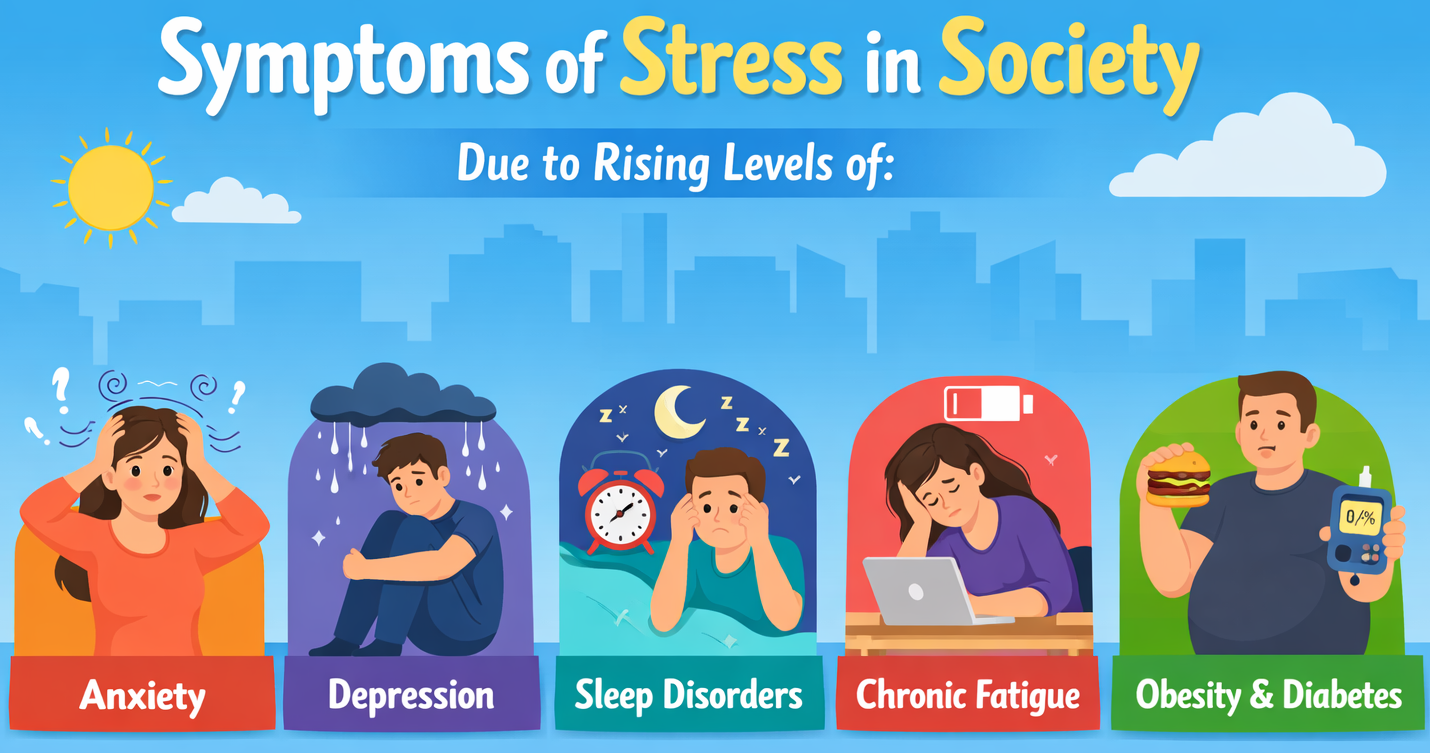
What unmanaged stress does to your health:
- Raises cortisol levels, which over time suppresses immune function
- Disturbs sleep quality, creating a cycle of fatigue and heightened anxiety
- Contributes to cardiovascular problems including high blood pressure
- Impairs digestion and gut health by directly affecting mood and cognition
- Weakens emotional resilience, making everyday challenges feel disproportionately overwhelming
- Accelerates cellular ageing at a measurable biological level
The Holisticke Approach to Stress: Five Pillars
It is a philosophy and lifestyle approach that adapts to individual needs. It is divided into five primary pillars that work together to address stress at every level of your experience.
Pillar 1: Mind-Body Awareness
One of the most important aspects of Holistic living is knowing the connection between mental and physical health. Mental and emotional well-being is a critical part of the Holisticke philosophy. Stress, anxiety, and emotional pain can create physical illness if ignored.
Practical mind-body practices within the Holistic are:
- Do meditation daily for five to ten minutes it will help to reduce cortisol
- Breath-focused exercises to activate the parasympathetic nervous system
- Body scanning to identify where you are physically holding stress and tension
- Journaling to process emotions before they become chronic anxiety
- Guided imagery to shift the nervous system out of a stress response
Pillar 2: Physical Movement and Vitality
Exercise is not about aesthetic goals but about cultivating strength, flexibility, and endurance. Practices such as yoga, tai chi, functional training, and cardiovascular workouts can help with both physical and mental benefits. By adopting a holistic approach to exercise, Holistic encourages individuals to engage in physical activity not just as a routine but as a mindful practice that harmonises with overall life balance.
Physical activity reduces the stress by:
- Yoga combines breath, movement, and stillness by addressing stress on all three fronts simultaneously
- Tai chi's slow, deliberate movements lower blood pressure and regulate the nervous system
- Regular aerobic activity raises endorphins and increases the brain's resilience to future stress
- Walking in nature combines light exercise with calming effects of green environments
- Functional training builds the physical stamina that stress depletes over time
Pillar 3: Nutrition as Nourishment
Most people understand that poor nutrition worsens mood and energy. Holistic approach believes that proper nutrition helps in overall wellbeing.
The food that can help are:
- Whole, minimally processed foods that stabilise blood sugar and prevent mood crashes
- Anti-inflammatory foods like leafy greens, oily fish, berries, nuts helps to reduce the physical burden of stress on the body
- Reducing caffeine and alcohol, both of which amplify cortisol and disrupt sleep
- Keep your body hydrated because even mild dehydration measurably impairs cognitive performance and mood
- Mindful eating habits that shift mealtimes from rushed fuel stops to genuine restoration
Pillar 4: Emotional Intelligence and Resilience
Stress is not just physical. A large part of why people feel overwhelmed is that they have never been taught how to process difficult emotions, so those emotions get collected inside them.
Engaging in holistic practices encourages relaxation techniques that help alleviate anxiety and promote tranquility.
Mindfulness, meditation, and cognitive techniques reduce stress, anxiety, and depression, fostering mental clarity, emotional resilience, and psychological balance. By encouraging self-awareness and purpose-driven living, Holistic nurtures a sense of fulfilment, inner peace, and alignment with personal values.
Emotional resilience ways in the Holistic approach:
- Regular self-check-ins to identify emotional states before they escalate
- Acceptance-based practices that reduce the energy spent resisting difficult feelings
- Gratitude practices
- Setting healthy boundaries
- Building meaningful social connections, which are proven to buffer against the physical damage of stress
Pillar 5: Environmental and Spiritual Alignment
Nature plays an important role in the Holistic approach. The natural world restores energy and provides healing through fresh air, sunlight, and organic food. Spending time outdoors helps reduce stress and improves physical and mental health.
Environment helps in reducing stress by:
- Reducing screen-free time
- Creating a home environment with natural light, plants, and space for calm
- Building community connections that provide belonging and mutual support
- Spending time in natural settings regularly even twenty minutes in green space lowers cortisol
Final Thoughts
Stress is not something you simply have to live with. It is not something that you cannot change but with healthy lifestyle choices you can actually manage it.
The journey into the Holistic lifestyle can be transformative, offering numerous benefits such as reduced stress levels and improved mental clarity. By incorporating Holistic principles into daily routines, anyone can create a balanced life that nurtures every aspect of their being. Your body has always known how to heal. Holisticke simply gives it the conditions it needs to do so.
Frequently Asked Questions
What is holistic care?
It is a comprehensive approach to health that focuses on treating the whole person which covers mind, body, and lifestyle.
What is holistic approach?
It is a way of thinking or treating problems by considering the whole system like mind, body, environment, and lifestyle, rather than focusing on just one part or symptom.
Holistic person meaning?
A holistic person is someone who focuses on overall well-being by nurturing their mind, body, and lifestyle together, rather than prioritizing just one aspect of health or life.
References
1. News Tremendous (Holisticke: The Ultimate Path to Total Wellness)
2. GraniteCF (Holisticke: Your Guide to Balanced and Holistic Living)
3. Eman Network (Holisticke: The Complete Balance of Mind, Body, and Lifestyle)


Member discussion